
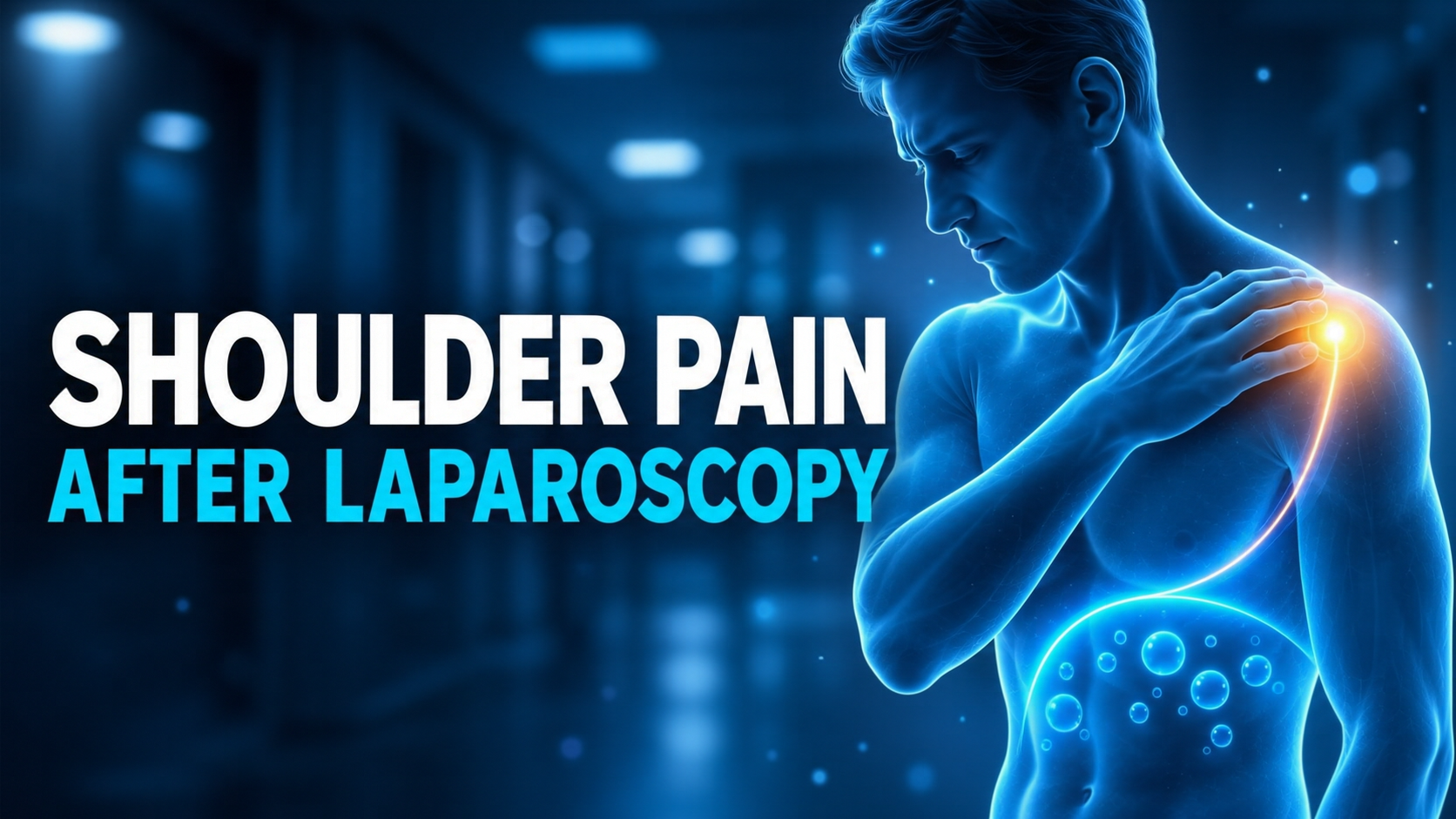
Many people are surprised when they wake up from keyhole surgery with a sore stomach and then develop a deep ache in the tip of one or both shoulders a day later. This pain is common, it is usually harmless, and it comes from the gas used during the operation, not from a problem with your shoulder. In this guide you will learn why shoulder pain happens after laparoscopy, when it usually starts and peaks, how long it can last, what may help, and which warning signs need medical attention.
Is Shoulder Pain Normal After Laparoscopy?
Yes. The NHS lists shoulder pain among the common effects after a laparoscopy, alongside feeling sick, tiredness, a sore throat, bloating, cramps and bruising around the wounds.
How common is it? A 2021 study in JSLS followed 437 women after gynaecological laparoscopy and found that 68% developed shoulder pain. The authors also note that many patients become more anxious about it because they do not connect shoulder pain with an abdominal operation.
Why Does Laparoscopy Cause Shoulder Pain?
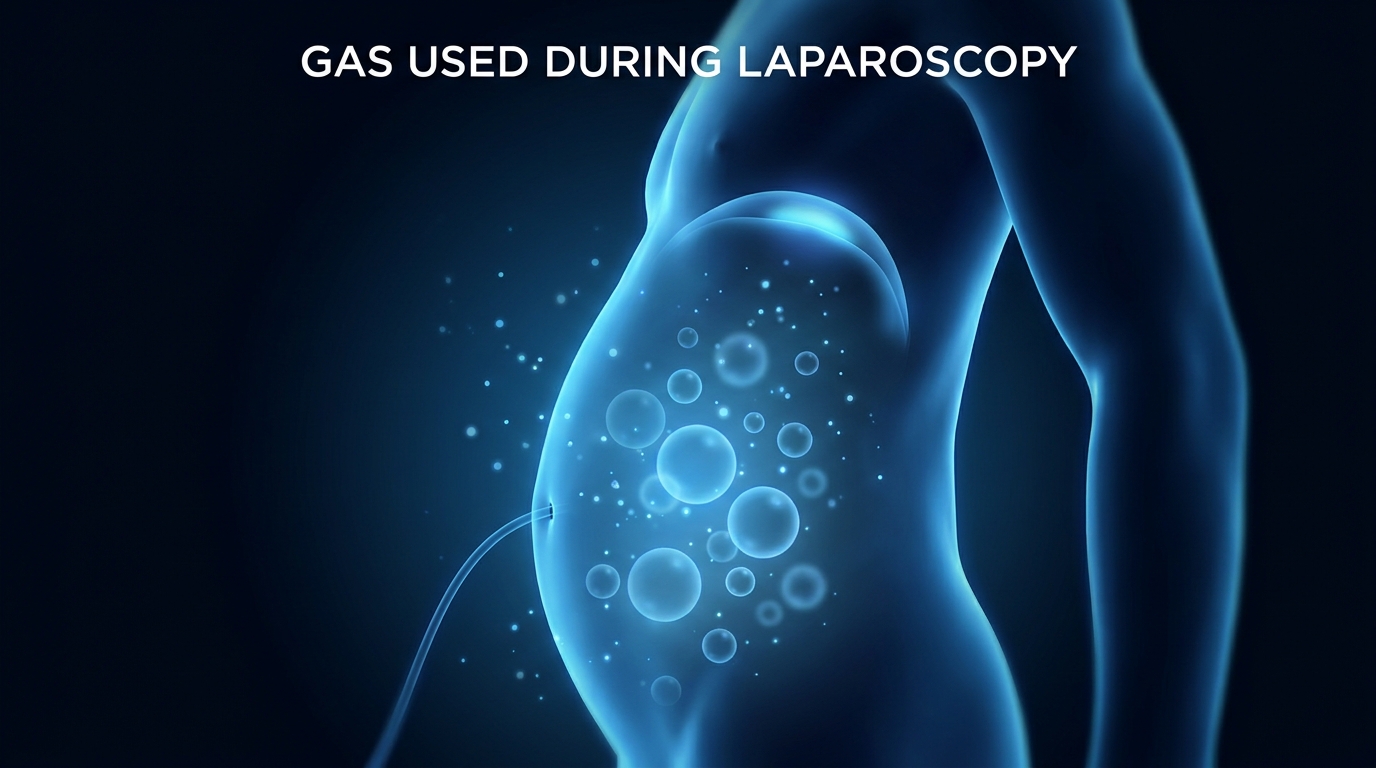
During laparoscopy the surgeon inflates the tummy with gas so there is room to see and work. At the end of the operation most of the gas is released, but a small amount can stay behind. A hospital leaflet from East Kent NHS explains that some of the carbon dioxide can get trapped under the rib cage, causing referred pain in the neck, chest or shoulder.
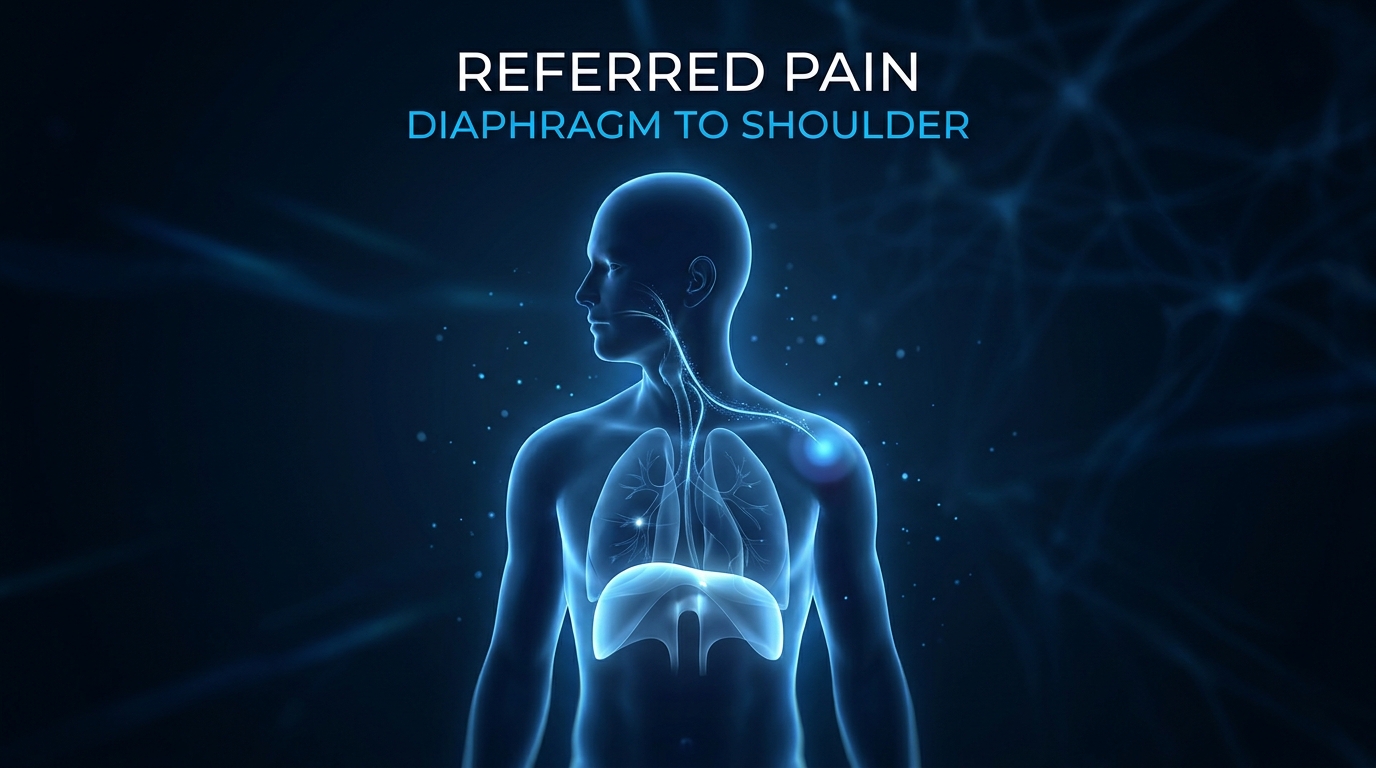
“Referred pain” means the pain is felt away from where the problem is. The research authors write that most scholars believe the leftover gas irritates the phrenic nerve, although the exact mechanism is still debated. In simple terms, the diaphragm (the muscle under your lungs) and the skin over the shoulder tip share nerve pathways in the neck, so the brain reads irritation under the diaphragm as shoulder pain.
Memorial Sloan Kettering adds that the gas can move around the body and that it leaves through belching, passing wind or a bowel movement.
When Does the Pain Start and Peak?
Timing is the most useful and least known part of the story. In the JSLS study, more than 90% of patients who developed shoulder pain began to feel it on the first day after surgery, not on the day of the operation itself. The authors also reviewed 27 earlier studies and found that the pain most often peaked at around 12 to 24 hours after surgery.
They also noticed that many patients first felt the pain after getting out of bed for the first time, and they suggest that gas may shift position when the body position changes.
How Long Does Shoulder Pain Last After Laparoscopy?
Sources describe slightly different timeframes, which is normal because people and operations differ.
| Source | What it says |
|---|---|
| East Kent NHS leaflet | Referred pain should wear off within 2 to 3 days |
| JSLS 2021 study (average pain scores) | Peaks on day 1, easing on day 2, mostly mild by 72 hours |
Here is how the average pain score changed in the JSLS study (visual analogue scale, usually 0 to 10):
| Time after surgery | Average shoulder pain score |
|---|---|
| 6 hours | 0 |
| 12 hours | 1.3 |
| 24 hours | 2.6 (highest) |
| 48 hours | 1.7 |
| 72 hours | 0.8 |
These are group averages in young, otherwise healthy women having gynaecological laparoscopy. Your own course may be shorter or longer.

Recovery overall takes longer than the shoulder pain. According to the NHS, recovery can take up to 10 days after a diagnostic laparoscopy and up to 6 to 8 weeks after surgery.
Why Do Painkillers Sometimes Not Fully Help?
The JSLS authors point out that among all the types of pain after laparoscopy, shoulder pain responds the least to anti-inflammatory drugs and opioid painkillers. Wound and abdominal pain usually respond better. This is why you may feel your usual tablets are helping the stomach pain but not the shoulder.
Do not take extra doses to try to fix it. Take painkillers only as prescribed or as directed on the packet, and tell your care team if your pain is not controlled. The NHS advises taking paracetamol or ibuprofen for pain, but ibuprofen is not suitable for everyone, so check with your doctor or pharmacist first.
What Can Help Relieve Shoulder Pain After Laparoscopy?
These tips come from hospital patient-education resources. They help gas move out of the body and make you more comfortable.
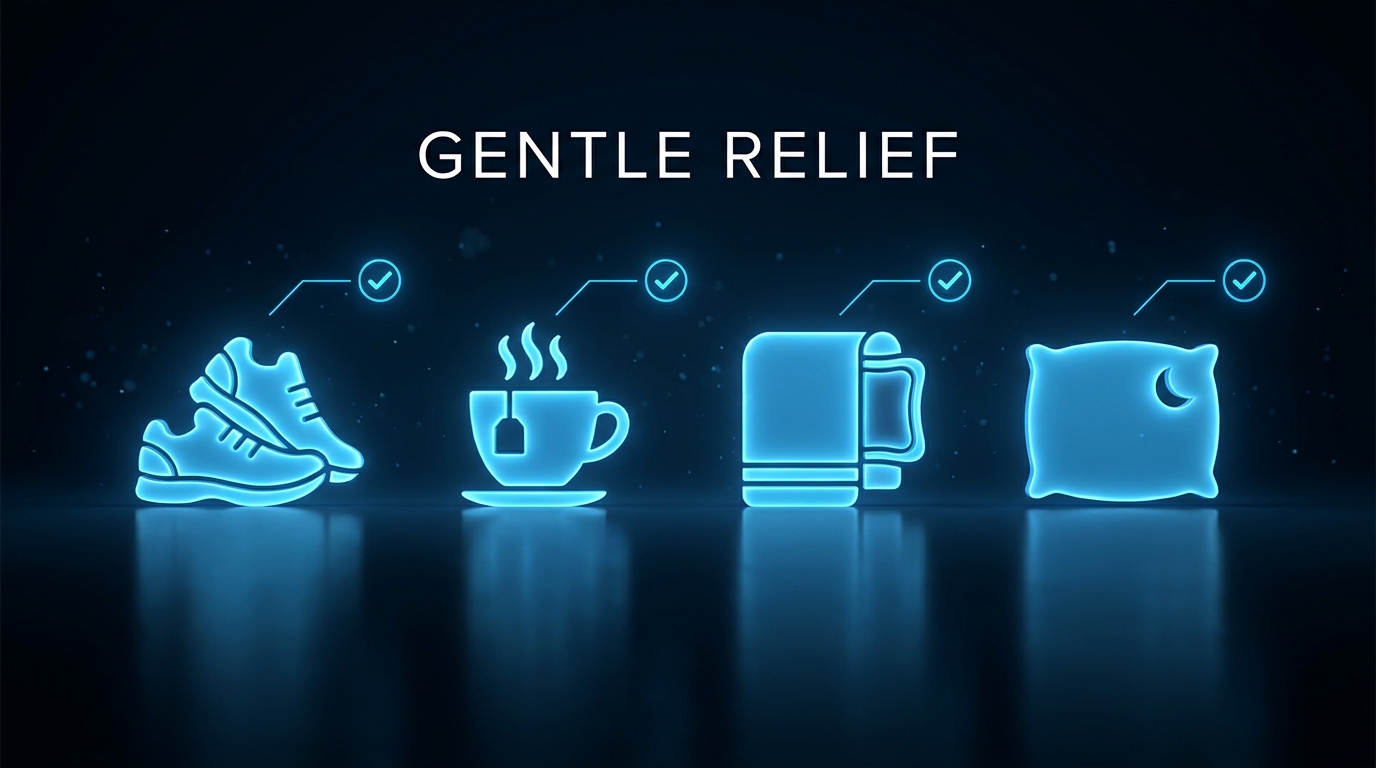
- Keep moving gently. MSK advises starting to walk within 4 hours of surgery in hospital and walking every 1 to 2 hours while awake, if you can. The NHS also advises moving around as much as you can and doing foot and leg exercises while resting.
- Try mint or ginger tea. MSK notes that tea can help pass the gas causing the discomfort.
- Use a heat or cold pack. MSK suggests a hot pack to relax muscles or a cold pack to reduce swelling. Wrap it in a towel and never put it directly on the skin. Leave it on for up to 20 minutes, then take it off for at least an hour.
- Rest and sleep. Good rest during the day and sleep at night can ease pain.
- Drink fluids and eat well. The NHS recommends plenty of fluids and a healthy diet during recovery.
If your pain is not controlled with painkillers, the East Kent leaflet advises contacting the day surgery unit. Follow the discharge advice your own hospital gave you, because instructions differ between hospitals and operations.
Can Shoulder Pain After Laparoscopy Be Prevented?
Researchers have tested several ideas, such as using lower gas pressure, gently pushing out leftover gas at the end of surgery, using drains, and warming the gas. The JSLS authors report that in many studies these methods reduced pain scores compared with the control group, but most did not change the usual timing, which is still worst around the first day. Surgeons and anaesthetists decide which of these methods fit your operation. As a patient, the practical step is to know what to expect, so the pain does not cause unnecessary worry.
When Should You Worry? Warning Signs After Laparoscopy
Shoulder pain alone is usually not dangerous. But some symptoms after laparoscopy need medical advice. The NHS says you should get urgent help if, after a laparoscopy, you have:
- a high temperature, or you feel hot, cold or shivery
- severe or continuous vomiting
- tummy pain that is getting worse, or a bloated tummy
- pain, swelling, bleeding, pus or redness around the wounds
- unusual bleeding or discharge
- pain and swelling in one leg
- coughing up blood
- more difficulty breathing than usual
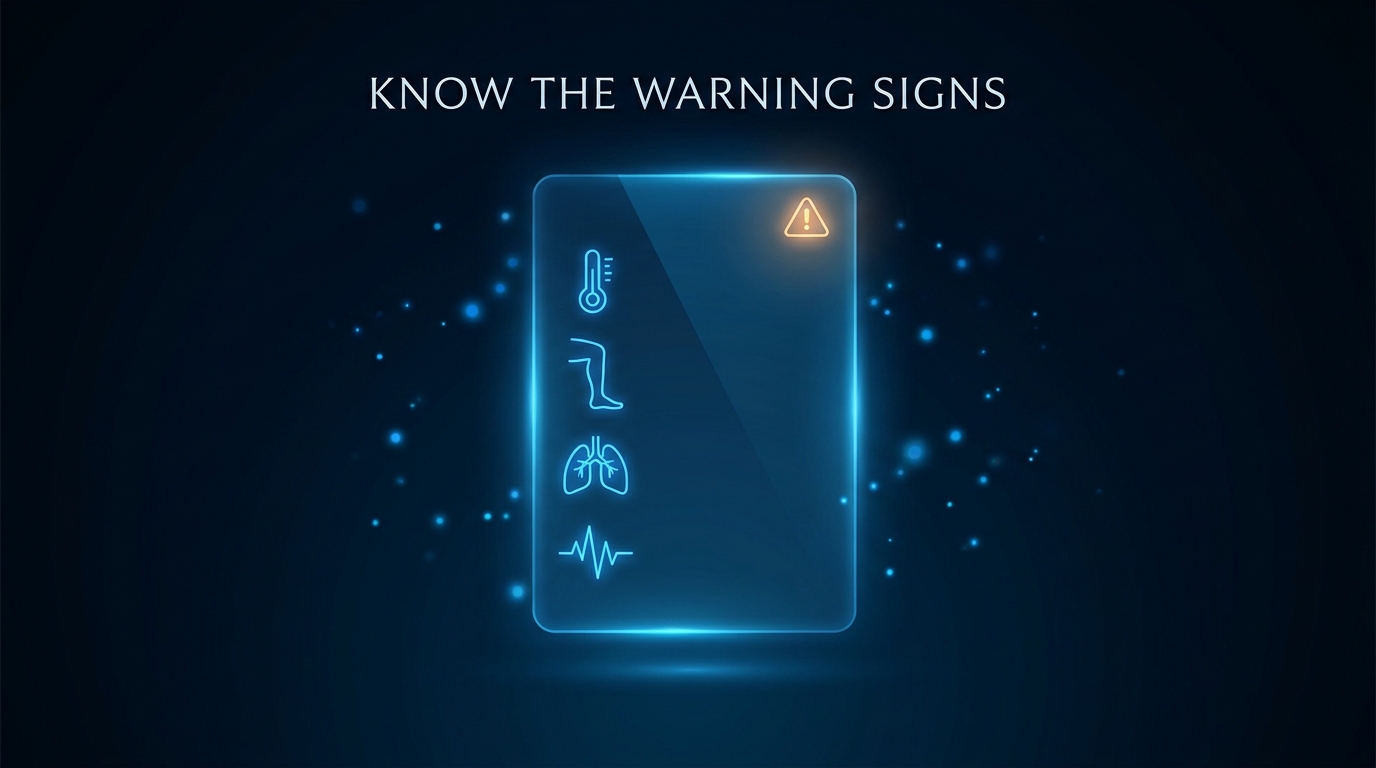
The NHS says to call emergency services or go to the emergency department straight away for a very fast heartbeat, pain in the chest, or severe difficulty breathing (gasping, choking or being unable to speak). In your own country, use your local emergency number.
Because a blood clot in the leg or lung is a recognised, rare complication of surgery, shoulder or chest pain that comes with breathlessness or a swollen calf should never be put down to gas.
Related reading: doctors often track heart rate and blood pressure after surgery. See our guide on the shock index formula.
Does the Type of Surgery Matter?
The NHS lists laparoscopy as the method used for removing the appendix or gallbladder, repairing hernias, treating ectopic pregnancy, removing the womb or fibroids, weight loss surgery, and some cancer operations. Shoulder pain can follow any of these, because the cause is the gas and not the organ operated on. Much of the research, including the JSLS study, comes from gynaecological laparoscopy, so numbers may differ in other operations.
Key Takeaways
- Shoulder pain after laparoscopy is common and is caused by leftover gas irritating the diaphragm and nearby nerves.
- It usually starts on the first day, often after you first get out of bed, and peaks around 12 to 24 hours.
- Hospital advice suggests it settles within 2 to 3 days, though some people take longer.
- Gentle walking, mint or ginger tea, a wrapped heat or cold pack, rest and fluids may help.
- Pain with fever, worsening tummy pain, a swollen leg, chest pain or breathlessness needs urgent medical advice.
Conclusion
Shoulder tip pain after keyhole surgery is one of the most common and least expected side effects, and knowing that it comes from trapped gas takes much of the fear away. Move gently, rest, take medicines only as directed, and watch for the warning signs listed above. If something does not feel right, contact your surgical team without waiting.
Frequently Asked Questions
Why do I have shoulder pain after laparoscopy?
Gas used to inflate the tummy can stay trapped under the diaphragm and ribs. This causes referred pain that you feel in the shoulder tip.
How long does shoulder pain last after laparoscopy?
A hospital leaflet says it should wear off within 2 to 3 days. In a research study the pain peaked at around 24 hours and was mostly mild by 72 hours, though some people have it longer.
Is shoulder pain after gallbladder or appendix laparoscopy normal?
Yes. Shoulder pain can follow any laparoscopic operation, because it comes from the gas and not from the organ operated on.
Does walking help shoulder pain after laparoscopy?
Hospital guidance advises gentle walking, because movement helps the gas to move out of the body.
Why don’t painkillers fully relieve it?
Research suggests shoulder pain responds less to anti-inflammatory drugs and opioids than wound pain does. Take medicines as directed and tell your care team if pain is not controlled.
When should I see a doctor?
Seek medical advice for fever, worsening tummy pain, repeated vomiting, wound redness or discharge, a swollen leg, coughing blood, chest pain or difficulty breathing.
Disclaimer: This article is for educational purposes only and is not a substitute for professional medical advice, diagnosis or treatment. Always follow the instructions given by your own surgical team.
Shoulder Pain After Laparoscopy Knowledge Quiz
Available options: 1 to 20
References
- NHS. Laparoscopy (keyhole surgery). nhs.uk/tests-and-treatments/laparoscopy.
- Li X, Li K. Time Characteristics of Shoulder Pain after Laparoscopic Surgery. JSLS. 2021;25(2):e2021.00027. PMC8249218.
- East Kent Hospitals University NHS Foundation Trust. Laparoscopic (keyhole) procedures: aftercare advice. Reviewed May 2025.
- Memorial Sloan Kettering Cancer Center. How to Manage Pain After Your Robotic or Laparoscopic Abdominal Surgery. Updated September 2023.


