Biomolecules are essential chemical compounds found in all living organisms. Among the major classes of biomolecules, nucleic acid plays a fundamental role in storing, transmitting, and expressing genetic information. Without nucleic acid, life as we know it would not exist. This article provides a detailed explanation of nucleic acid, its structure, types, functions, and biological significance for higher-level biology students.
Quiz
Available options: 1 to 20
What Are Biomolecules?
Biomolecules are organic molecules produced by living cells. They are crucial for growth, metabolism, reproduction, and maintenance of life. The four major types of biomolecules include:
- Carbohydrates
- Proteins
- Lipids
- Nucleic acid
Each biomolecule has a specific structure and function, but nucleic acid is unique because it carries hereditary information.
What Is Nucleic Acid?
Nucleic acid is a complex biomolecule responsible for storing and transmitting genetic instructions in living organisms. It is found in the nucleus of eukaryotic cells and in the cytoplasm of prokaryotic cells. The two main forms of nucleic acid are DNA and RNA, both of which are vital for cellular function and inheritance.
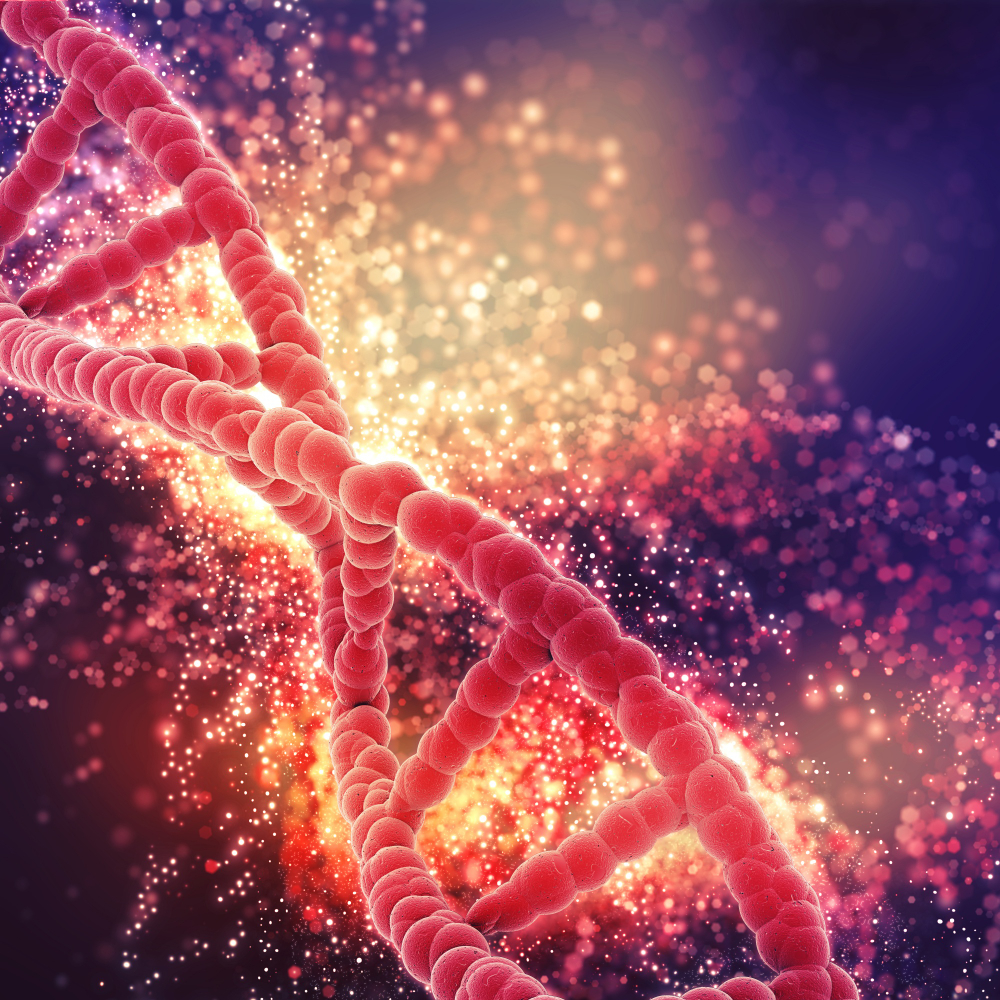
Structure of Nucleic Acid
The basic unit of nucleic acid is called a nucleotide. Each nucleotide consists of three components:
- A nitrogenous base
- A pentose sugar
- A phosphate group
The sugar and phosphate form the backbone of the nucleic acid molecule, while the nitrogenous bases carry genetic information.
Nitrogenous Bases
There are two types of nitrogenous bases in nucleic acid:
- Purines: Adenine (A) and Guanine (G)
- Pyrimidines: Cytosine (C), Thymine (T), and Uracil (U)
Types of Nucleic Acid
There are two major types of nucleic acid found in living organisms:
1. Deoxyribonucleic Acid (DNA)
DNA is the primary genetic material in most organisms. It has a double-helix structure and contains the instructions necessary for growth, development, and reproduction.
Key Features of DNA:
- Double-stranded structure
- Contains deoxyribose sugar
- Nitrogen bases: A, T, G, C
- Found mainly in the nucleus
DNA ensures the accurate transmission of genetic information from one generation to the next.
2. Ribonucleic Acid (RNA)
RNA is a single-stranded nucleic acid involved in protein synthesis and gene expression.
Types of RNA include:
- mRNA (messenger RNA)
- tRNA (transfer RNA)
- rRNA (ribosomal RNA)
Key Features of RNA:
- Single-stranded
- Contains ribose sugar
- Nitrogen bases: A, U, G, C
- Found in nucleus and cytoplasm
Functions of Nucleic Acid
The functions of nucleic acid are essential for cellular activities and life processes:
- Storage of Genetic Information – DNA stores hereditary data.
- Transmission of Traits – Genetic information is passed from parents to offspring through nucleic acid.
- Protein Synthesis – RNA helps translate genetic codes into proteins.
- Cellular Control – Nucleic acid regulates metabolism and cell functions.
Importance of Nucleic Acid in Living Organisms
The importance of nucleic acid extends across all forms of life. It controls cell division, variation, mutation, and evolution. Advances in genetics, biotechnology, and medicine rely heavily on the understanding of nucleic acid structure and function.
Applications of nucleic acid knowledge include:
- Genetic engineering
- Disease diagnosis
- Forensic science
- Vaccine development
Difference Between DNA and RNA (Summary Table)
| Feature | DNA | RNA |
|---|---|---|
| Structure | Double-stranded | Single-stranded |
| Sugar | Deoxyribose | Ribose |
| Bases | A, T, G, C | A, U, G, C |
| Function | Genetic storage | Protein synthesis |
Conclusion
In conclusion, nucleic acid is one of the most vital biomolecules in living organisms. From storing genetic information to controlling protein synthesis, nucleic acid governs life at the molecular level. A strong understanding of nucleic acid structure and function is essential for students studying biology, biotechnology, and medical sciences.