Evolution and variation are fundamental concepts in biology that explain how living organisms change over generations. Evolution refers to the gradual development of organisms from simpler forms to more complex ones, while variation describes the differences found among individuals of the same species. Together, evolution and variation form the basis of biodiversity on Earth.
Without variation, evolution would not be possible. Small differences among individuals allow some organisms to survive better in changing environments, leading to the process of natural selection.
Quiz
Available options: 1 to 20
What Is Evolution?
Evolution is the long-term change in the genetic makeup of populations over successive generations. These changes occur due to variations that are inherited and selected by environmental pressures.
Charles Darwin proposed the theory of evolution through natural selection, which remains central to understanding evolution and variation.
What Is Variation?
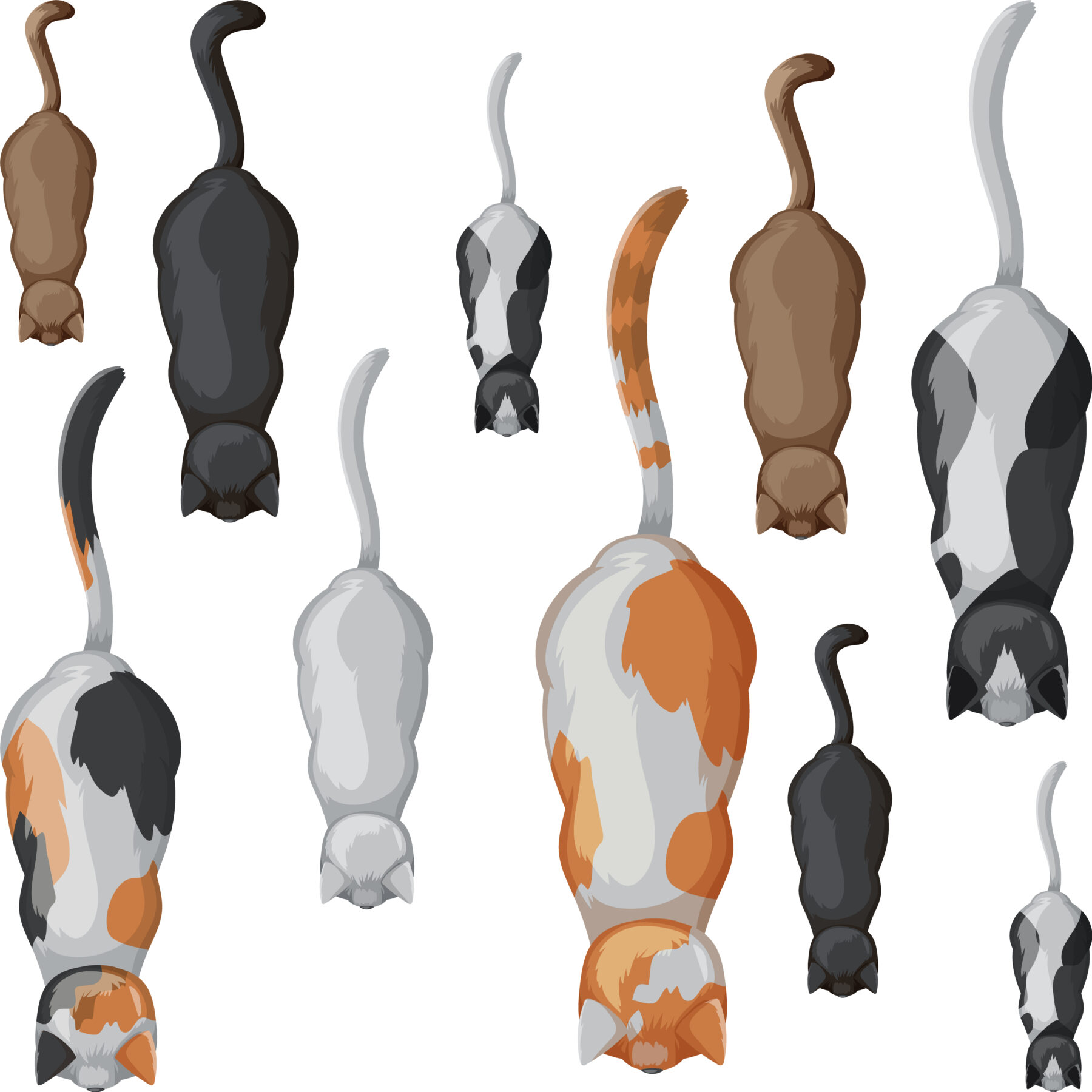
Variation refers to differences in physical, genetic, and behavioral traits among individuals of the same species. These variations are essential for survival and adaptation.
Examples of Variation:
- Height differences in humans
- Color variation in flowers
- Resistance to diseases in plants
- Beak size in birds
Variation ensures that at least some individuals can survive environmental changes, supporting evolution and variation together.
Types of Variation
1. Genetic Variation
Genetic variation arises due to differences in DNA sequences. It is heritable and plays a major role in evolution.
Causes of genetic variation:
- Mutations
- Crossing over during meiosis
- Independent assortment
- Random fertilization
Genetic variation is the raw material for evolution and variation.
2. Environmental Variation
Environmental variation occurs due to external factors like climate, nutrition, and lifestyle. These variations are not inherited.
Examples:
- Skin tanning due to sunlight
- Muscle development through exercise
Although environmental variation does not directly cause evolution, it influences survival.
Causes of Variation
Mutation
A mutation is a sudden change in DNA. Mutations create new traits, some of which may be beneficial for survival.
Sexual Reproduction
Sexual reproduction increases variation by combining genetic material from two parents, enhancing evolution and variation.
Genetic Drift
Random changes in gene frequency, especially in small populations, can influence evolution.
Role of Variation in Natural Selection
Natural selection acts on variations present within a population.
Process:
- Overproduction of offspring
- Struggle for existence
- Survival of the fittest
- Inheritance of favorable traits
Individuals with advantageous variations survive and reproduce, passing traits to the next generation. This continuous process strengthens evolution and variation.
Evolution and Speciation
Speciation is the formation of new species as a result of accumulated variations.
Types of Speciation:
- Allopatric speciation – geographic isolation
- Sympatric speciation – reproductive isolation without physical barriers
Over time, variations become significant enough to prevent interbreeding, leading to evolution.
Importance of Evolution and Variation
- Explains origin of species
- Helps understand adaptation
- Essential for medical research
- Important in agriculture and breeding
- Explains antibiotic resistance
Understanding evolution and variation helps humans solve biological and environmental challenges.
Real-Life Examples of Evolution and Variation
- Antibiotic-resistant bacteria
- Pesticide-resistant insects
- Peppered moth color change
- Darwin’s finches
Each example demonstrates how evolution and variation work together in nature.
Conclusion
Evolution and variation are inseparable biological processes responsible for the diversity of life on Earth. Variation provides the differences among individuals, while evolution selects the most suitable traits over time. Together, they explain adaptation, survival, and the emergence of new species.