
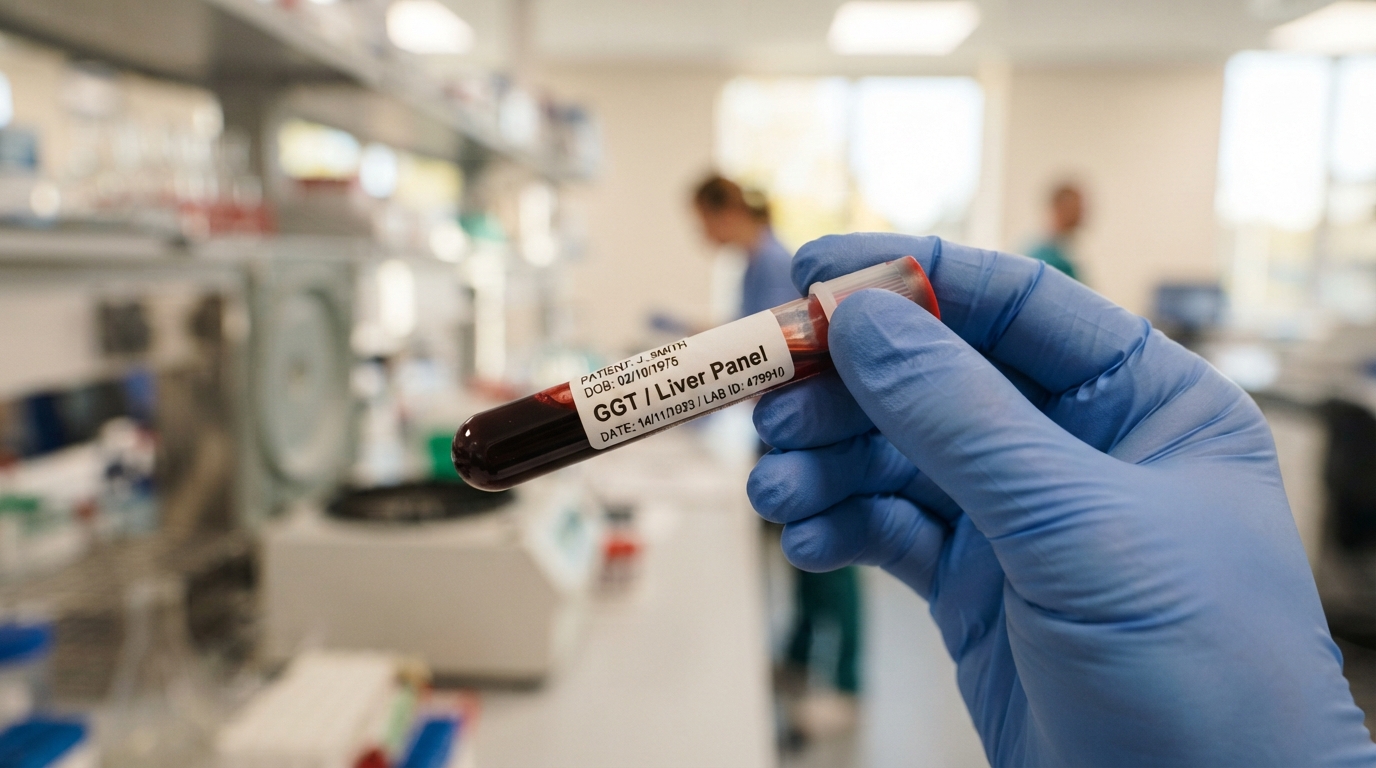
If your liver panel report shows an abnormal GGT number, you’re probably staring at three unfamiliar letters wondering what they even mean. GGT — short for Gamma-Glutamyl Transferase — is one of the most sensitive liver enzymes doctors test for, yet it’s rarely explained in plain language. In this guide, we’ll break down what GGT actually is, what a normal range looks like, and what it means when your levels are too high or too low. If you’ve already read our guide on the AST/ALT ratio, this article is the natural next step in understanding your full liver panel.
What Is GGT (Gamma-Glutamyl Transferase)?
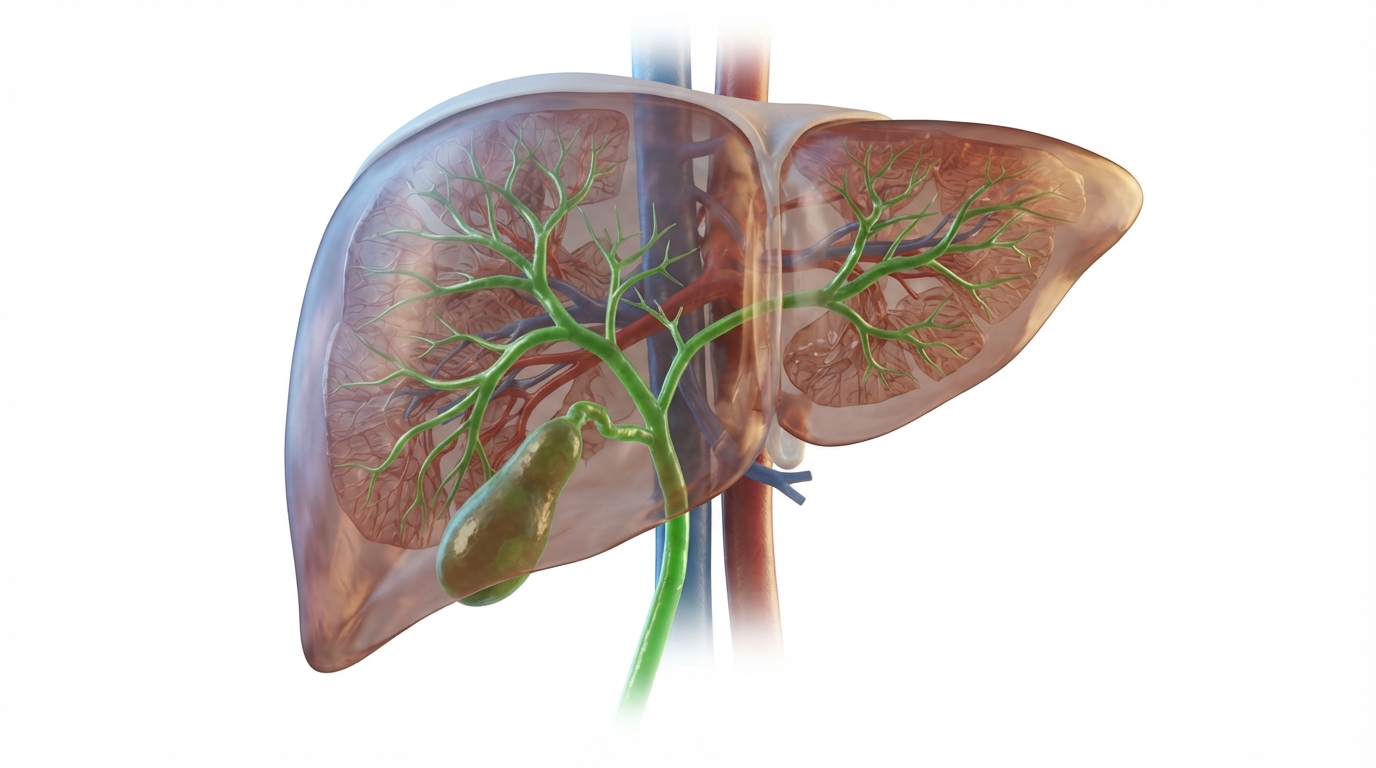
GGT is an enzyme found mainly in the liver and the cells lining your bile ducts — the small tubes that carry digestive fluid (bile) from the liver into the intestine. Smaller amounts also exist in the kidneys, pancreas, and spleen.
Unlike ALT and AST, which mostly rise when liver cells are physically damaged, GGT has an extra trigger: it can be “induced,” or ramped up in production, by alcohol, certain medications, and metabolic stress — even before any real cell damage occurs. This is one reason GGT is considered a highly sensitive, early-warning liver marker.
Why Do Doctors Order a GGT Test?
A GGT test is usually ordered as part of a broader liver function test (LFT) panel, alongside ALT, AST, ALP, and bilirubin. Specific reasons your doctor may check it include:
- Confirming whether a high ALP (alkaline phosphatase) level is coming from the liver or from bone — only GGT rises in liver/bile duct issues, not bone conditions
- Investigating symptoms like fatigue, abdominal pain, yellowing skin, or dark urine
- Screening for or monitoring alcohol-related liver stress
- Following up on abnormal results from a routine liver panel
GGT Normal Range: By Age and Gender

| Group | Typical Normal Range |
|---|---|
| Adult men | 9 – 48 U/L |
| Adult women | 9 – 32 U/L |
| Children | Generally lower than adults |
| Newborns | Naturally higher than adult range |
Note: Reference ranges vary slightly between laboratories depending on the testing method used. Always compare your result to the range printed on your own lab report rather than a generic chart.
What Does a High GGT Level Mean?

A high GGT level on its own doesn’t diagnose a specific disease — it’s a signal that something is affecting your liver or bile ducts, and further context is needed. Common causes include:
1. Alcohol use — even moderate or regular intake. GGT is one of the most alcohol-sensitive liver markers. It can rise from drinking patterns that wouldn’t yet affect ALT or AST.
2. Fatty liver disease (NAFLD/MASLD). Fat accumulation in the liver, often linked to obesity or insulin resistance, is one of the most common causes of a mildly elevated GGT today.
3. Bile duct blockage (cholestasis). Gallstones, bile duct inflammation, or other blockages can cause bile to back up, raising GGT — usually alongside a high ALP.
4. Medications and supplements. Certain anticonvulsants, statins, NSAIDs, and hormonal medications are known to raise GGT without necessarily indicating liver damage.
5. Other metabolic factors. Obesity, type 2 diabetes, metabolic syndrome, and even heart failure have all been linked to elevated GGT levels.
Is a Slightly High GGT Level Serious?
Not always. A mild, isolated elevation — especially with no symptoms and normal ALT, AST, and ALP — is often followed up with a simple repeat test after a few weeks rather than immediate concern. Persistent or sharply elevated levels warrant a closer look from your doctor.
What Does a Low GGT Level Mean?
Low GGT is rarely a cause for concern. In most cases, it simply reflects a healthy, low-stress liver, particularly in people who don’t drink alcohol. It isn’t typically flagged or investigated the way high GGT is.
GGT High but ALT/AST Normal — What Does That Mean?
This specific pattern confuses a lot of people reading their lab reports, so it’s worth explaining clearly.
Because GGT can rise from enzyme induction rather than actual cell damage, it’s possible to have an elevated GGT while your ALT and AST — which reflect direct liver cell injury — remain completely normal. This pattern is often called an isolated GGT elevation, and common explanations include:
- Regular alcohol intake that hasn’t yet caused measurable liver cell damage
- Certain medications that induce GGT production without harming liver cells
- Early-stage fatty liver or metabolic syndrome
- A bile duct issue that hasn’t progressed enough to affect ALT/AST
Doctors often pair an isolated high GGT with an ALP test: if ALP is also high, it points toward the bile ducts; if ALP is normal, it’s more likely alcohol, medication, or metabolic in origin. As we covered in our AST/ALT ratio guide, no single liver enzyme should be read in isolation — the pattern across your whole panel tells the real story.
How to Lower High GGT Levels Naturally

If lifestyle factors are behind your elevated GGT, these steps are commonly recommended:
- Reduce or stop alcohol consumption
- Work toward a healthy weight, particularly reducing visceral (belly) fat
- Eat a balanced diet with more fiber and less processed sugar and fried food
- Stay physically active with regular moderate exercise
- Review your current medications and supplements with your doctor
- Manage blood sugar if you have prediabetes or diabetes
- Avoid unnecessary herbal or “detox” supplements, some of which can stress the liver further
Most doctors recommend retesting GGT after 4–8 weeks of these changes to see if levels are improving.
When Should You See a Doctor?
Book an appointment if a high GGT result comes with any of the following:
- Yellowing of the skin or eyes (jaundice)
- Dark-colored urine or pale stools
- Persistent fatigue or loss of appetite
- Pain in the upper right side of your abdomen
- Unexplained nausea or vomiting
Frequently Asked Questions
What is considered a dangerously high GGT level?
There’s no single universal cutoff, but levels several times above the normal range — especially combined with symptoms — usually prompt further liver investigation by a doctor.
How long does it take for GGT to return to normal after quitting alcohol?
GGT can start improving within a few weeks of stopping alcohol, though full normalization may take longer depending on how long levels were elevated.
Do you need to fast before a GGT test?
Most people don’t need special preparation, but always follow your specific lab or doctor’s instructions.
Does high GGT always mean liver cancer?
No. High GGT has many far more common causes, including alcohol use, fatty liver, and certain medications. It is not used as a standalone cancer screening test.
Which is more important — GGT, ALT, or AST?
None on its own. Doctors interpret GGT alongside ALT, AST, ALP, and bilirubin together, since the pattern across all of them narrows down the likely cause far better than any single number.
GGT Test Knowledge Quiz
Available options: 1 to 20
Final Thoughts
A single abnormal GGT result is rarely an emergency, but it’s not something to ignore either. Understanding what it means — and how it fits alongside your other liver enzymes — helps you have a more informed conversation with your doctor. If you haven’t already, read our guide on the AST/ALT ratio to see how these liver markers work together as a complete picture.
This article is for general educational purposes and is not a substitute for professional medical advice. Always consult a healthcare provider to interpret your specific lab results.
Sources referenced for accuracy:
- Mayo Clinic — Gamma-glutamyl transferase (GGT) blood test: https://www.mayoclinic.org/tests-procedures/gamma-glutamyl-transferase-ggt-blood-test/about/pac-20598201
- MedlinePlus (NIH) — Gamma-glutamyl Transferase (GGT) Test: https://medlineplus.gov/lab-tests/gamma-glutamyl-transferase-ggt-test/