Early Warning Signs You Should Never Ignore (When to See a Doctor Immediately)
Many serious health conditions begin with small, easily overlooked symptoms. People often delay medical care because the signs don’t seem severe at first. Unfortunately, ignoring early warning signs can allow diseases to progress to more dangerous stages.
In 2025, doctors emphasize one key message more than ever: early detection saves lives. Knowing when to see a doctor can prevent complications, reduce treatment costs, and significantly improve recovery.

This guide explains the most important warning signs you should never ignore and what they could mean for your health.
1. Persistent Chest Pain or Shortness of Breath
Chest pain, tightness, pressure, or difficulty breathing should always be taken seriously. These symptoms may be linked to heart problems, lung disease, blood clots, or severe infections.
Possible causes include:
- Heart attack
- Blocked arteries
- Asthma or lung disease
- Pulmonary embolism
When to seek help:
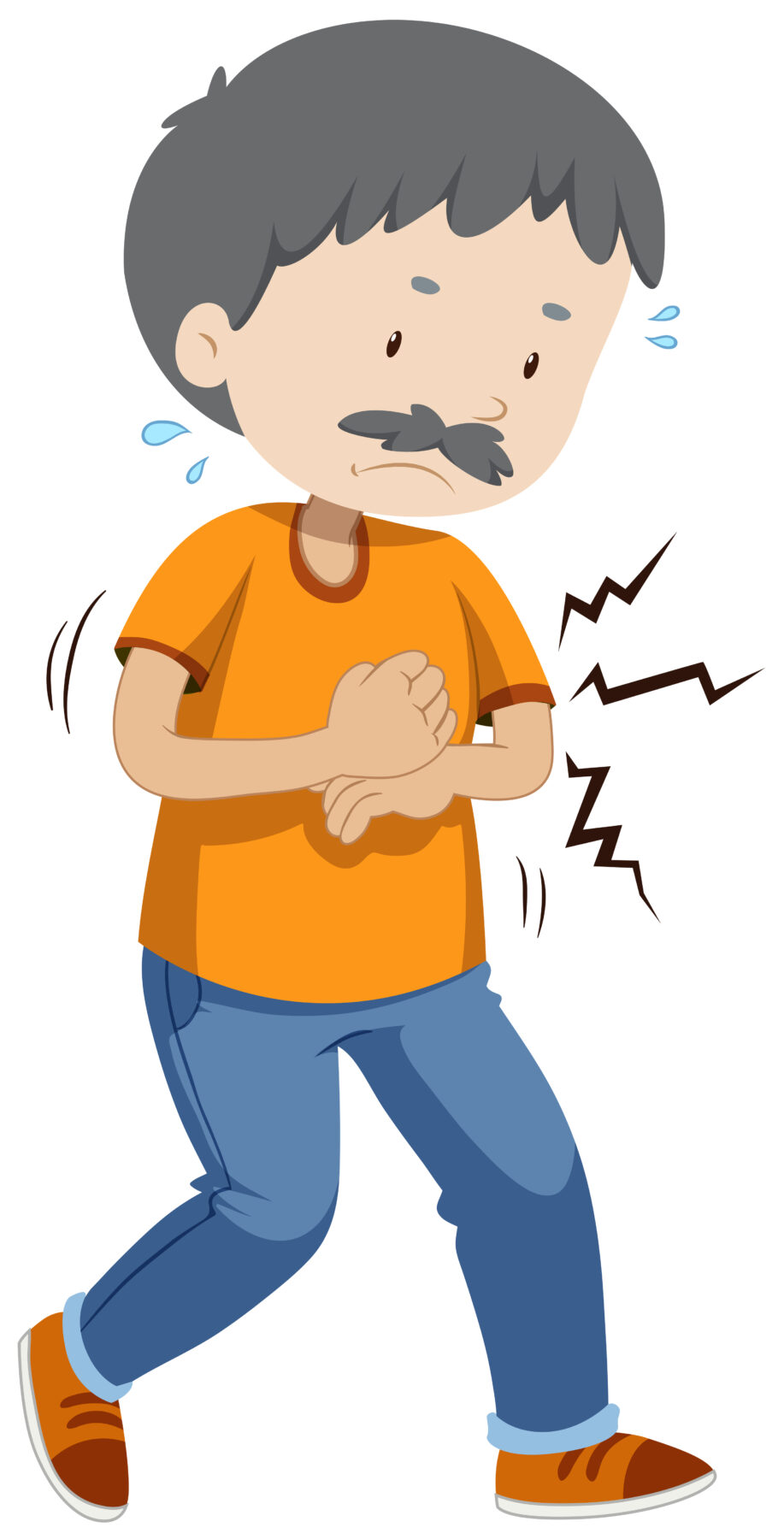
If chest pain lasts more than a few minutes, gets worse, or comes with sweating, dizziness, or nausea, seek emergency care immediately.

2. Sudden or Unexplained Weight Loss
Losing weight without dieting or exercise may signal an underlying medical issue.
Possible causes:
- Thyroid disorders
- Diabetes
- Digestive diseases
- Cancer
- Chronic infections
When to see a doctor:
If you lose more than 5% of your body weight in a few months without trying, it’s time for a medical evaluation.
3. Ongoing Fatigue That Does Not Improve
Feeling tired after a busy day is normal. However, extreme fatigue that doesn’t go away even after rest can indicate a serious health condition.
Possible causes:
- Anemia
- Hormonal imbalance
- Heart disease
- Sleep disorders
- Depression
If fatigue interferes with your daily life, a doctor should investigate the cause.

4. Frequent or Severe Headaches
Occasional headaches are common, but frequent, intense, or worsening headaches are not normal.
Warning signs include:
- Headaches with blurred vision
- Headaches with vomiting
- Sudden, severe “worst-ever” headache
- Headaches after a head injury
These may indicate migraines, infections, brain disorders, or neurological issues.
5. Changes in Bowel or Bladder Habits
Any long-term change in digestion or urination should be taken seriously.
Watch for:
- Persistent diarrhea or constipation
- Blood in stool or urine
- Painful urination
- Sudden increase or decrease in urination
These could point to infections, kidney disease, digestive disorders, or more serious conditions.
6. Unusual Lumps or Swelling
A lump anywhere in the body — especially in the breast, neck, armpit, or groin — should never be ignored.
While many lumps are harmless, some may indicate:
- Infections
- Cysts
- Tumors
Early medical examination can rule out serious problems or catch them early.

7. Unexplained Bleeding
Bleeding that occurs outside of normal situations requires medical attention.
This includes:
- Coughing up blood
- Blood in urine or stool
- Vaginal bleeding after menopause
- Heavy or irregular bleeding
Unexplained bleeding may signal infections, ulcers, or cancer.
8. Skin Changes or Non-Healing Wounds
Your skin can reveal a lot about your health.
Watch for:
- Sores that don’t heal
- Changing moles
- Dark or irregular spots
- Yellowing of the skin
These may indicate infections, diabetes, or skin cancer.
9. Persistent Pain Anywhere in the Body
Pain that lasts for weeks or keeps returning should not be ignored.
Chronic pain can be linked to:
- Nerve damage
- Inflammation
- Arthritis
- Organ problems
Getting a diagnosis early prevents further damage.
10. Sudden Mental or Mood Changes
Mental health is just as important as physical health.
Warning signs include:
- Confusion
- Memory loss
- Sudden personality changes
- Depression or anxiety
- Suicidal thoughts
These can be signs of neurological disorders, infections, or mental health conditions that require professional care.
Why Early Diagnosis Matters
Ignoring symptoms can lead to:
- Advanced disease
- More expensive treatment
- Longer recovery time
- Higher risk of complications
Seeing a doctor early can save your life and protect your long-term health.
When in Doubt, Get Checked
Many people delay medical visits because they fear bad news. However, most conditions are easier to treat when caught early. If something feels wrong, listen to your body and seek professional advice.
Final Thoughts
Your body often sends warning signals long before serious illness develops. Paying attention to these signs and taking action can prevent life-threatening conditions.
Never ignore symptoms that are new, persistent, or unusual. Your health is always worth checking.