Health information spreads faster than ever, but not everything that sounds convincing is actually true. Over the years, many popular health beliefs became accepted without solid scientific backing. In 2025, modern research and clinical evidence finally helped clear the confusion, allowing patients to make smarter, safer health decisions.
This article breaks down the most common health myths that lost credibility in 2025 and explains what you should believe instead in simple, patient-friendly language.
Myth 1: Everyone Must Walk 10,000 Steps a Day
For a long time, the 10,000-step rule was treated as a universal fitness target. While daily movement is essential, research now shows that health benefits depend on consistency, intensity, and individual ability, not a fixed number.
What to believe instead:
Regular physical activity even shorter walks or light exercise can significantly improve heart health, mood, and energy levels when done consistently.

Myth 2: Everyone Needs the Same Amount of Sleep
Many people still believe that eight hours of sleep works for everyone. In reality, sleep needs vary based on age, lifestyle, health status, and biological differences.
What to believe instead:
Quality sleep matters more than quantity. Feeling rested, focused, and energized during the day is a better indicator than counting hours.

Myth 3: Supplements Can Replace Healthy Eating
Supplements are often marketed as quick fixes for poor diets. However, they cannot fully replicate the nutritional value of whole foods.
What to believe instead:
A balanced diet rich in fruits, vegetables, whole grains, lean proteins, and healthy fats provides nutrients in their most effective form. Supplements should only be used when recommended by a healthcare professional.

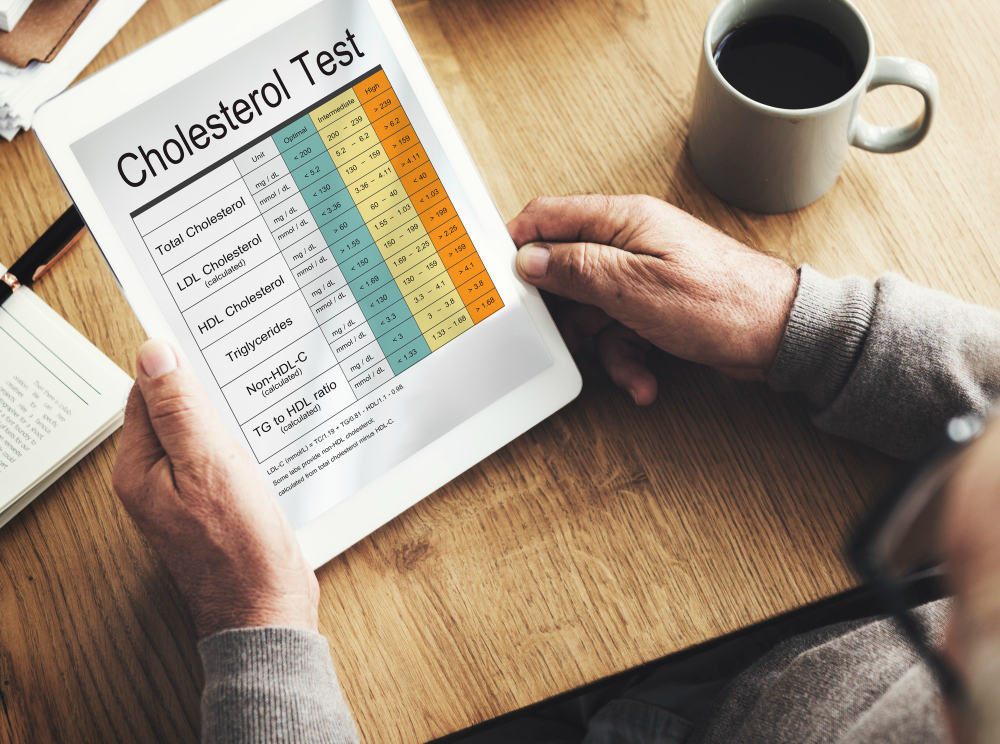
Myth 4: Cholesterol Alone Determines Heart Health
Cholesterol has long been viewed as the main marker of heart disease risk. In 2025, experts emphasized a more complete approach.
What to believe instead:
Heart health depends on multiple factors including blood pressure, inflammation, physical activity, stress levels, and overall lifestyle not cholesterol numbers alone.
Myth 5: Hot Lemon Water Burns Body Fat
Hot lemon water remains a popular trend for weight loss. While it may support hydration and digestion, it does not directly cause fat loss.
What to believe instead:
Sustainable weight management comes from balanced nutrition, physical activity, and healthy habits not miracle drinks.

Myth 6: Cold Weather Causes Colds
Many people still associate cold weather with catching a cold. In truth, viruses not temperature are responsible.
What to believe instead:
Colds spread more easily in colder months because people spend more time indoors. Good hygiene and immunity support are key to prevention.

Myth 7: You Need Supplements to Boost Immunity
The belief that immune health depends on supplements alone became less convincing in 2025.
What to believe instead:
A strong immune system relies on adequate sleep, stress management, regular exercise, hydration, and a nutritious diet. Supplements help only when deficiencies exist.
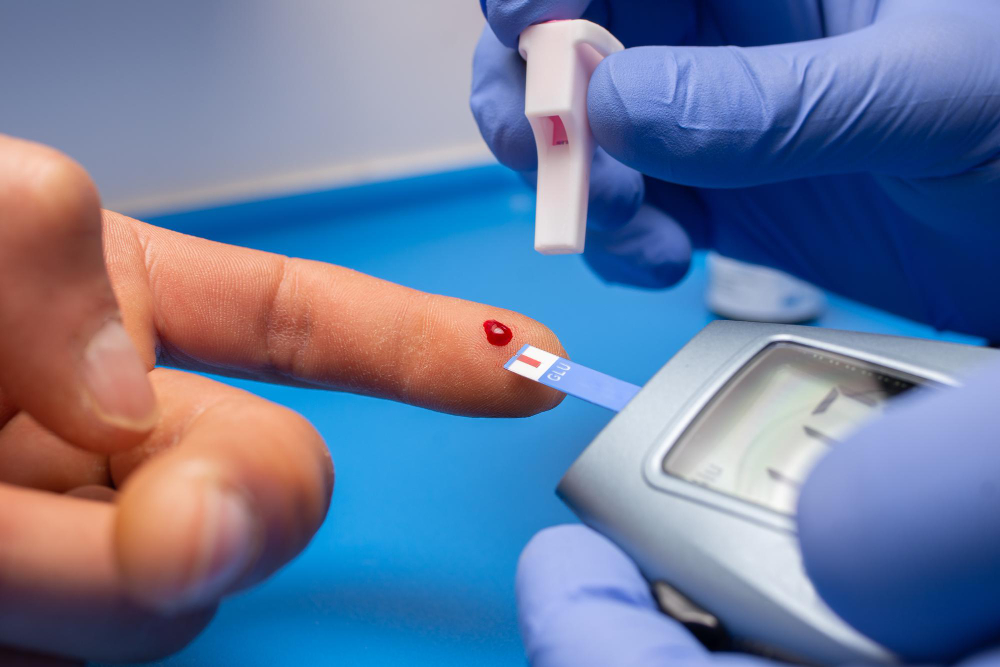
Myth 8: People With Diabetes Must Avoid Fruit
Fruit is often misunderstood due to its natural sugar content. Completely avoiding fruit is unnecessary for most people with diabetes.
What to believe instead:
Whole fruits contain fiber, vitamins, and antioxidants. When eaten in moderation and paired with balanced meals, they can be part of a healthy diet.
Myth 9: Detox Products Cleanse the Body
Detox teas, juices, and cleanses promise to remove toxins quickly. However, the body already has an effective detox system.
What to believe instead:
The liver and kidneys naturally remove waste from the body. Proper hydration, healthy eating, and regular physical activity support this process.

Myth 10: Green Tea Is a Miracle Cure
Green tea offers health benefits, but it is often overstated as a cure-all solution.
What to believe instead:
Green tea supports overall wellness due to its antioxidants, but it works best as part of a healthy lifestyle not as a standalone treatment.

How Patients Can Avoid Health Misinformation
In today’s digital world, misinformation spreads quickly. Patients should:
- Rely on trusted medical professionals
- Avoid advice based solely on trends or social media
- Ask questions before making major lifestyle or dietary changes
Being informed is one of the most powerful tools for protecting your health.
Final Thoughts
2025 marked a shift toward evidence-based health awareness. Letting go of outdated myths allows patients to focus on habits that truly improve well-being. Understanding what works and what doesn’t helps you make confident, informed decisions for a healthier future.