
Pakistan gets sunshine almost 300 days a year — yet it has one of the highest rates of Vitamin D deficiency in the world. A nationwide survey of over 4,800 people found that only about 15% had normal Vitamin D levels; the rest were either deficient or insufficient. In some cities, lab-based studies have put the deficiency rate as high as 80–90% among patients tested. That’s far above Western countries like the United States or Canada, where deficiency rates sit in the 25–37% range.
If you’ve ever felt unexplained tiredness, bone aches, or hair fall and been told “your Vitamin D is low” — you’re far from alone. Here’s everything you need to know about why this is happening, what the numbers actually mean, and how to fix it.
What Is Vitamin D and Why Your Body Needs It
Vitamin D isn’t a typical vitamin — it behaves more like a hormone. Your skin produces it when exposed to UVB rays from sunlight, and your liver and kidneys convert it into its active form. From there, it plays a role in:
- Calcium absorption — without enough Vitamin D, your gut absorbs far less calcium, no matter how much dairy or calcium supplement you take
- Bone strength — deficiency in children causes rickets; in adults it contributes to osteoporosis and fractures
- Muscle function — low levels are linked to muscle weakness and body aches
- Immune regulation — Vitamin D receptors exist in immune cells, and low levels are associated with more frequent infections
- Mood and energy — several studies link deficiency to fatigue and low mood
How Common Is Vitamin D Deficiency in Pakistan? (The Real Numbers)
This is where Pakistan’s numbers stand out globally:
- A large national survey found 53.5% of Pakistanis were Vitamin D deficient, another 31.2% insufficient, and only 15.3% had normal levels
- City-specific hospital studies in Karachi and Lahore have recorded deficiency rates between 80% and 92% among the patients tested
- For comparison, deficiency prevalence is estimated at roughly 24–32% in the US and 37% in Canada
- Women tend to test lower than men, largely due to less sun exposure
Normal Vitamin D Range Chart
Vitamin D is measured through a 25-hydroxy Vitamin D blood test, reported in ng/mL (used on most Pakistani lab reports) or nmol/L. Exact cut-offs can vary slightly between labs, but the widely used clinical ranges are:
| Category | ng/mL | nmol/L |
|---|---|---|
| Deficient | Below 20 | Below 50 |
| Insufficient | 20 – 29 | 50 – 72 |
| Sufficient (Normal) | 30 – 100 | 75 – 250 |
| Potentially Toxic | Above 100–150 | Above 250–375 |
Always check the reference range printed on your specific lab report, since some labs use slightly different cut-offs.
Signs & Symptoms of Vitamin D Deficiency

Mild deficiency often has no obvious symptoms at all, which is part of why it’s so under-diagnosed. When symptoms do appear, they commonly include:
In adults:
- Persistent fatigue and low energy
- Bone pain, especially in the lower back, hips, and legs
- Muscle weakness or frequent cramps
- Hair thinning or excessive hair fall
- Getting sick often (frequent colds/infections)
- Low mood or irritability
- Slow wound healing
In children:
- Delayed growth or bone development
- Bow legs or soft, deformed bones (rickets)
- Irritability and poor sleep
- Delayed teething
In severe, prolonged cases: muscle spasms, bone fractures from minor falls, and in extreme untreated cases in infants, seizures.
Why Is Vitamin D Deficiency So Common in Pakistan Despite Sunny Weather?
This is the part that surprises most people — sunshine alone doesn’t guarantee healthy Vitamin D levels. The main reasons are:
- Skin pigmentation — Melanin absorbs UVB rays, so darker skin needs longer sun exposure to make the same amount of Vitamin D as fairer skin.
- Clothing and cultural coverage — Full-coverage clothing (abaya, burqa, niqab) and staying indoors during the day significantly reduce skin exposure to sunlight, especially among women.
- Timing of sun exposure — UVB rays strong enough to trigger Vitamin D synthesis are only available roughly between 10am and 3pm. Most people are indoors at school, university, or work during exactly that window.
- Indoor, urban lifestyles — More screen time, less outdoor activity, and pollution/smog in major cities further block UVB rays.
- No mandatory food fortification — Unlike many Western countries that fortify milk, cereal, and other staples with Vitamin D by law, Pakistan has no such nationwide fortification policy.
- Diet naturally low in Vitamin D — The traditional Pakistani diet includes very little oily fish, egg yolks, or fortified dairy — the few foods that naturally contain meaningful amounts of Vitamin D.
- Low public awareness — Many people have never been tested and don’t associate their fatigue or body aches with a vitamin deficiency.
Who Is Most at Risk in Pakistan?
- Women who wear full-coverage clothing or rarely go outdoors
- Elderly individuals (skin becomes less efficient at making Vitamin D with age)
- Exclusively breastfed infants (breast milk is naturally low in Vitamin D)
- Office workers, students, and anyone with a mostly indoor routine
- People who are overweight or obese (body fat binds Vitamin D, reducing what’s available in the bloodstream)
- People with limited dairy, egg, or fish intake in their diet
- Pregnant and breastfeeding women, due to higher requirements
How Is Vitamin D Deficiency Diagnosed?
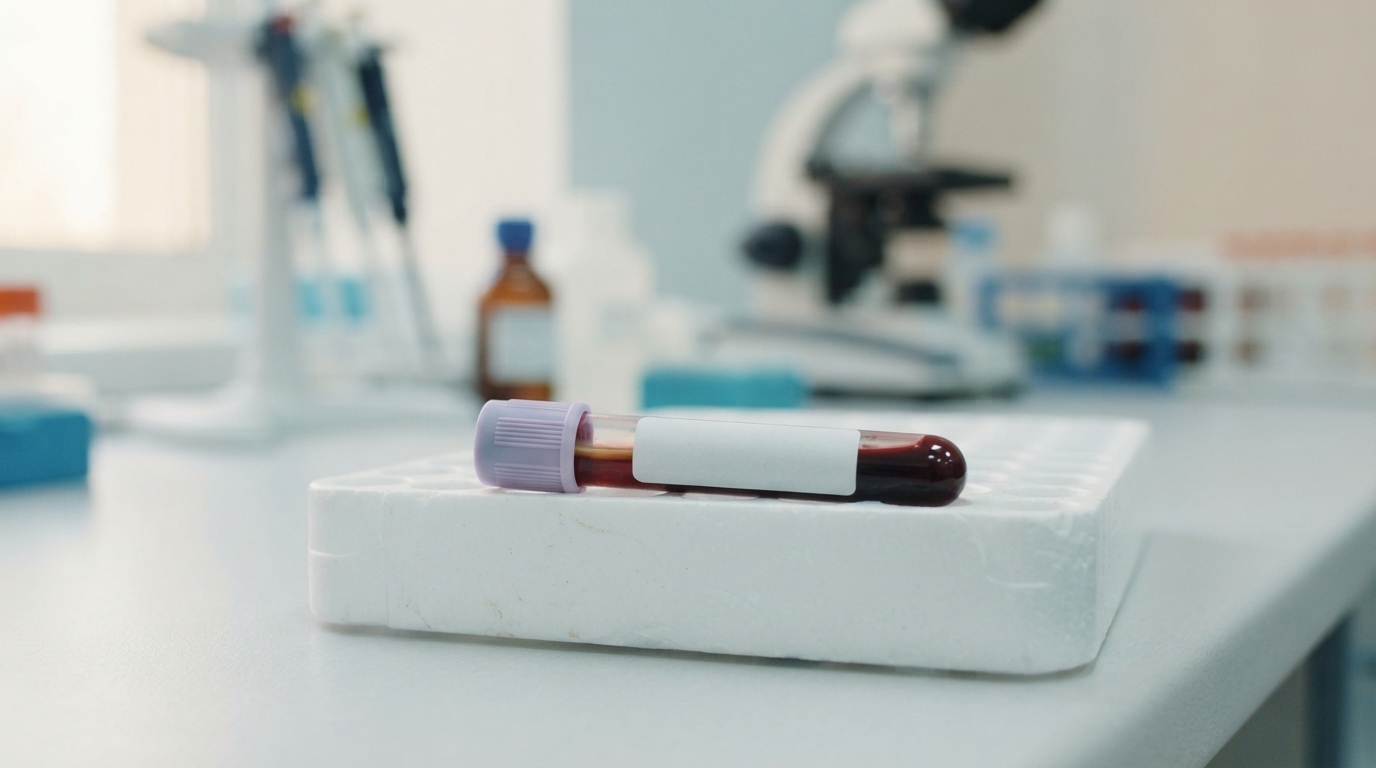
The only reliable way to know your levels is a 25-hydroxy Vitamin D blood test (also labeled 25-OH Vitamin D, S. Vit D3, or Vitamin D3 test on lab slips — they’re all the same test). No fasting is usually required. Most major labs across Pakistan offer it, with home sample collection in most cities, and prices typically range from around PKR 2,000 to 4,000, depending on the lab and city (prices change over time, so confirm current rates directly with your lab).
How to Increase Vitamin D Naturally
1. Sunlight Exposure
Expose your arms, legs, or face (without sunscreen) to sunlight for roughly 15–30 minutes, ideally between 10am and 3pm, a few times a week. The exact time needed depends on your skin tone, the season, and how much skin is exposed.
2. Vitamin D-Rich Foods

| Food | Notes |
|---|---|
| Egg yolks | Easily available, modest but useful source |
| Liver | Red meat organ meats contain meaningful amounts |
| Oily fish (salmon, sardines, mackerel) | One of the richest natural sources, though less common in local diets |
| Fortified milk / dairy | Check labels — some fortified brands are available in Pakistan |
| Mushrooms exposed to sunlight | A plant-based option |
3. Supplements
For confirmed deficiency, doctors in Pakistan commonly prescribe Vitamin D3 supplementation, with the dose and duration based on your blood test results — this can range from a maintenance dose to a short-term high-dose correction course. Don’t self-prescribe high-dose Vitamin D — over-supplementation can raise calcium to unsafe levels. Get tested first, and let a doctor guide the dosage.
When Should You See a Doctor?
See a doctor if you have ongoing bone pain, muscle weakness, unexplained fatigue, frequent infections, or if you’re pregnant, elderly, or have a child showing signs of delayed growth or bone deformity. A simple blood test can confirm whether Vitamin D is the cause.
Frequently Asked Questions
Can Vitamin D deficiency cause hair fall?
Yes. Vitamin D plays a role in the hair growth cycle, and deficiency is commonly linked to increased shedding and slower regrowth.
Is Vitamin D deficiency reversible?
Yes, in most cases. With proper sun exposure, diet changes, and supplementation guided by a doctor, levels typically normalize within a few months.
How long does it take to correct Vitamin D deficiency?
This varies by how severe the deficiency is and the treatment plan, but most people see their levels improve within 2–3 months of consistent supplementation, confirmed by a repeat blood test.
Can I get enough Vitamin D from Pakistani sunlight without supplements?
It’s possible for some people with regular midday outdoor exposure and lighter skin, but for most people — especially those with limited sun exposure or darker skin — diet and sunlight alone often aren’t enough, which is why deficiency remains so widespread.
Is Vitamin D deficiency dangerous during pregnancy?
Yes, it can affect both maternal bone health and the baby’s development, which is why many doctors in Pakistan routinely test and supplement Vitamin D during pregnancy
Vitamin D Deficiency Knowledge Quiz
Available options: 1 to 20