Dermatologist Recommended Skincare Guide for Healthy Skin (Dermatologist Tips)
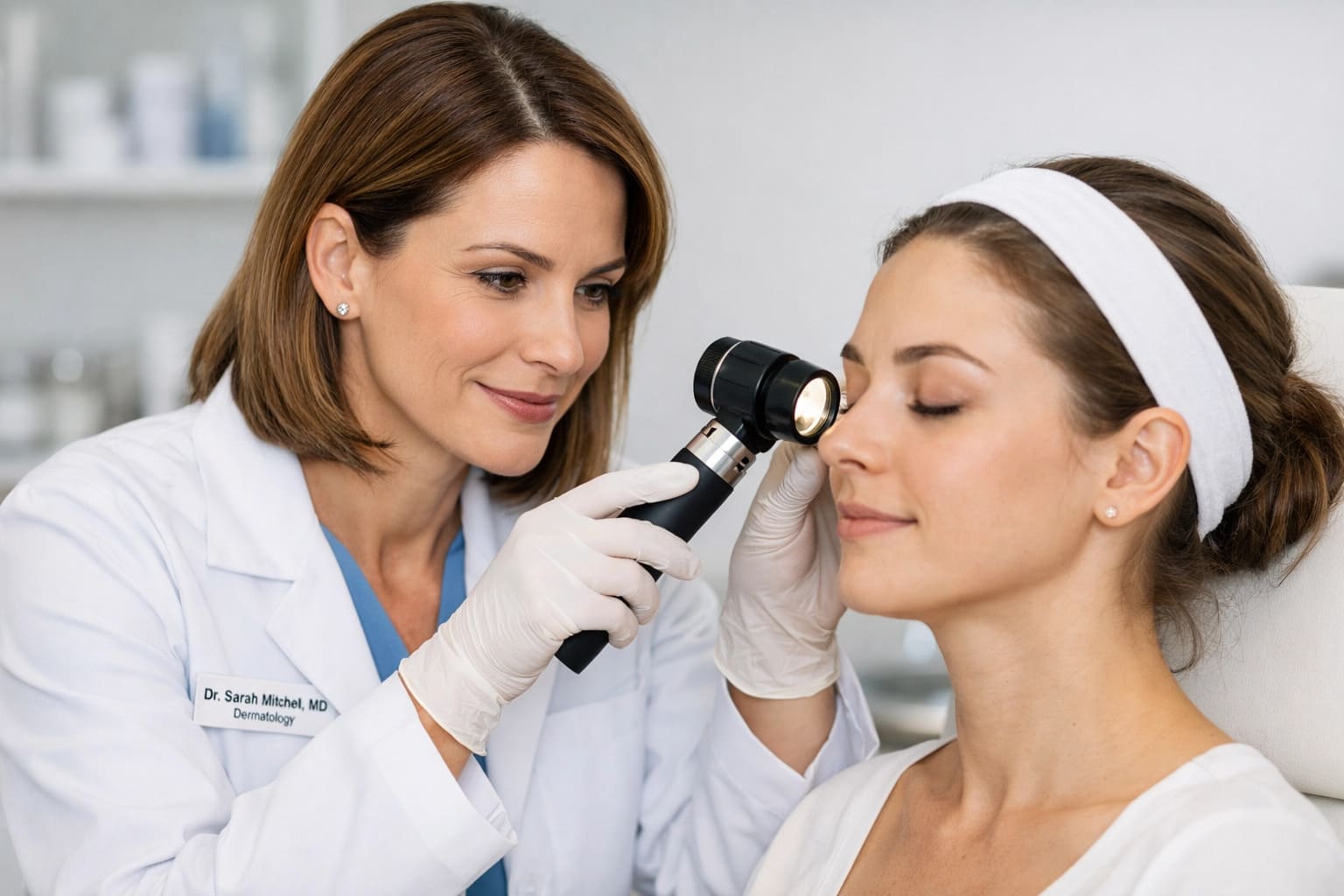
By Dr. Sarah Mitchell, Board-Certified Dermatologist | Medically Reviewed
Introduction to Dermatologist-Recommended Skincare
Achieving healthy, clear skin is a goal shared by millions of adults across all age groups. Yet, with an overwhelming number of products and conflicting advice available online, knowing where to start can feel daunting. Without a structured, clinically informed approach, many individuals inadvertently damage their skin barrier, aggravate existing conditions, or waste resources on ineffective products.
This dermatologist-recommended skincare guide cuts through the noise. Drawing on evidence-based clinical expertise, it addresses the most common and challenging skin concerns faced by adults: acne and breakouts, signs of aging and wrinkles, hyperpigmentation, and sensitive or dry skin. Whether you are building a routine from scratch or refining an existing one, this guide provides the clinical framework you need to achieve lasting skin health.
Table of Contents
- Understanding Your Skin Type and Concerns
- The Core Dermatologist-Recommended Skincare Routine
- Addressing Acne and Breakouts
- Treating Aging Skin and Wrinkles
- Managing Hyperpigmentation
- Care for Sensitive and Dry Skin
- Key Ingredients Dermatologists Trust
- Lifestyle Factors That Affect Skin Health
- Frequently Asked Questions
- Conclusion
1. Understanding Your Skin Type and Concerns
Before introducing any product into your routine, a board-certified dermatologist will always begin with an accurate assessment of your skin type. This foundational step ensures that every subsequent treatment recommendation is appropriate and effective.
The five primary skin types recognized clinically are: normal, oily, dry, combination, and sensitive. Each skin type responds differently to active ingredients, environmental stressors, and cleansing methods. Misidentifying your skin type is one of the most common reasons skincare routines fail.
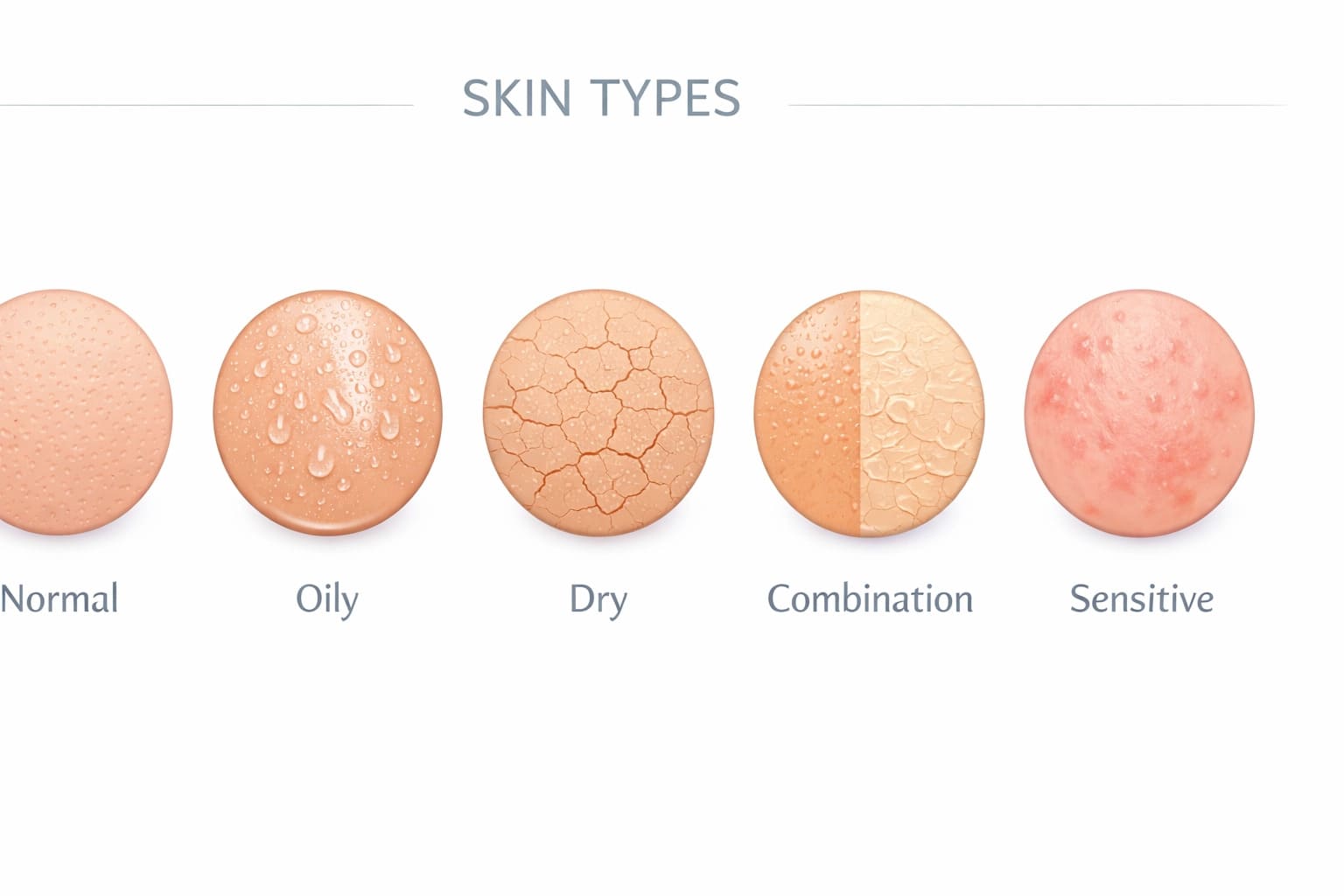
In clinical practice, skin concerns are assessed separately from skin type. A patient with dry skin may simultaneously present with hyperpigmentation, while someone with oily skin may also experience sensitivity. Understanding this distinction allows for a more nuanced, targeted treatment approach.
2. The Core Dermatologist Recommended Skincare Routine
Dermatologists universally recommend a consistent, simplified routine built around three core steps: cleansing, moisturizing, and sun protection. Additional targeted treatments are layered onto this foundation based on individual skin concerns.
Morning Routine
- Step 1 — Gentle Cleanser: Use a pH-balanced, non-stripping cleanser appropriate for your skin type.
- Step 2 — Antioxidant Serum: Apply a Vitamin C serum (10–20% L-ascorbic acid) to neutralize free radicals.
- Step 3 — Moisturizer: Apply a lightweight, non-comedogenic moisturizer containing ceramides or hyaluronic acid.
- Step 4 — Broad-Spectrum SPF 30+: Sunscreen is the single most clinically validated anti-aging and protective step.
Evening Routine
- Step 1 — Double Cleanse: Remove SPF and impurities with an oil-based cleanser followed by a water-based cleanser.
- Step 2 — Treatment Actives: Apply targeted treatments such as retinoids, AHAs, BHAs, or niacinamide.
- Step 3 — Moisturizer or Barrier Repair Cream: Apply a richer moisturizer to support overnight skin repair.
- Step 4 — Facial Oil (Optional): Seal moisture with a non-comedogenic facial oil if required.
3. Addressing Acne and Breakouts
Acne vulgaris is the most prevalent dermatological condition worldwide, affecting individuals well into adulthood. Clinically, acne is classified as comedonal (blackheads and whiteheads), inflammatory (papules and pustules), or cystic/nodular. Each subtype requires a distinct treatment strategy.
Dermatologist Recommended Actives for Acne
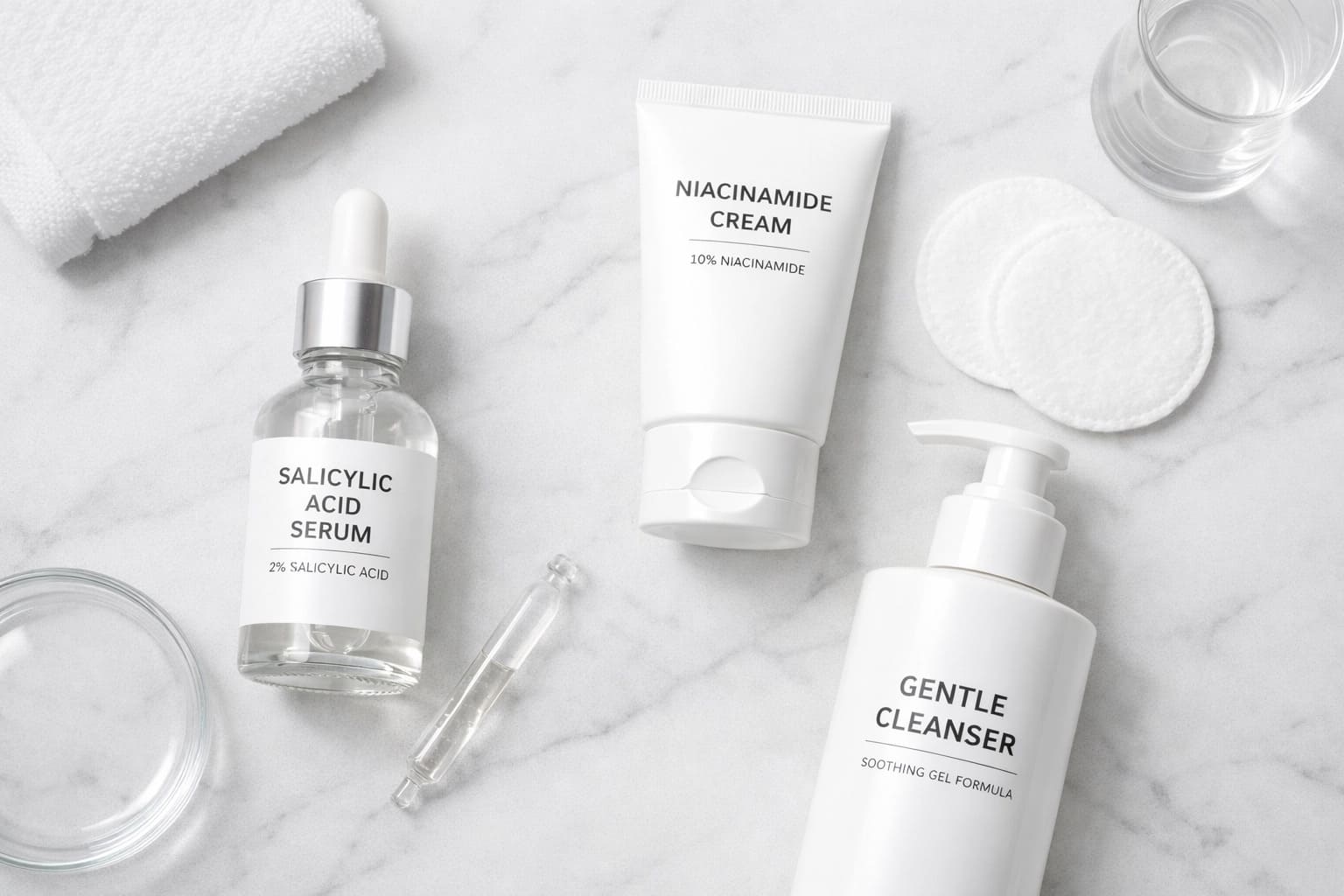
- Benzoyl Peroxide (2.5–5%): Kills Cutibacterium acnes bacteria and reduces inflammation. Start at lower concentrations to minimize irritation.
- Salicylic Acid (BHA, 0.5–2%): A lipid-soluble exfoliant that penetrates pores to dissolve sebum plugs. Ideal for blackheads and whiteheads.
- Niacinamide (4–10%): Regulates sebum production, reduces post-inflammatory erythema, and strengthens the skin barrier.
- Adapalene (0.1–0.3%): A third-generation retinoid with strong evidence for comedonal and inflammatory acne. Available over the counter at 0.1%.
- Azelaic Acid (10–15%): Clinically proven for acne and rosacea; particularly effective for post-inflammatory hyperpigmentation in acne-prone skin.
Dermatologists caution against over-cleansing and aggressive exfoliation, which can compromise the skin barrier, increase trans-epidermal water loss, and worsen inflammatory acne. Prescription-strength treatments — including topical antibiotics, clindamycin, and oral isotretinoin — are reserved for moderate-to-severe presentations and must be managed by a licensed clinician.
4. Treating Aging Skin and Wrinkles
Intrinsic aging (chronological) and extrinsic aging (photoaging from UV exposure) produce distinct but overlapping changes in skin architecture: reduced collagen and elastin production, epidermal thinning, increased transepidermal water loss, and loss of subcutaneous volume. Effective anti-aging skincare must address both mechanisms.
Evidence-Based Anti-Aging Ingredients
- Retinoids (Retinol, Tretinoin): The gold standard in anti-aging dermatology. Retinoids accelerate cellular turnover, stimulate collagen synthesis, and reduce the appearance of fine lines, wrinkles, and photodamage. Prescription tretinoin (0.025–0.1%) offers superior efficacy; over-the-counter retinol is suitable for beginners and sensitive skin.
- Broad-Spectrum SPF 30+: The American Academy of Dermatology affirms that daily sunscreen use is the most evidence-supported strategy for preventing photoaging. UVA-blocking filters (avobenzone, zinc oxide) are essential.
- Peptides: Signaling peptides such as Matrixyl (palmitoyl pentapeptide-4) stimulate fibroblast collagen production and are well tolerated by all skin types.
- Vitamin C (L-Ascorbic Acid, 10–20%): A potent antioxidant that neutralizes UV-induced free radicals, inhibits melanogenesis, and supports collagen biosynthesis.
- Hyaluronic Acid (HA): A humectant capable of retaining up to 1,000 times its weight in water, providing immediate volumizing and hydrating effects.
Dermatologists recommend introducing retinoids gradually — starting two to three nights per week — to minimize the retinization period, which can include transient dryness, peeling, and mild erythema. Always apply retinoids in the evening, as they are photosensitive.
5. Managing Hyperpigmentation
Hyperpigmentation encompasses a range of conditions including melasma, post-inflammatory hyperpigmentation (PIH), and solar lentigines (sunspots). It results from an overproduction of melanin by epidermal melanocytes, often triggered by UV radiation, hormonal fluctuations, or cutaneous inflammation.
Clinically Validated Depigmenting Agents
- Hydroquinone (2–4%): The most studied skin-lightening agent. Inhibits tyrosinase, the rate-limiting enzyme in melanin synthesis. Available OTC at 2% and by prescription at 4%.
- Tranexamic Acid (2–5%): Increasingly recognized for its efficacy in melasma and PIH, particularly in combination formulations.
- Alpha Arbutin (1–2%): A stable, well-tolerated hydroquinone derivative suitable for all Fitzpatrick skin types.
- Kojic Acid (1–4%): A tyrosinase inhibitor derived from fungal fermentation; commonly used in combination with other brightening agents.
- Azelaic Acid (10–20%): Dual-action compound offering both anti-inflammatory and depigmenting effects.
- Vitamin C: Inhibits melanin transfer and reduces oxidative damage from UV exposure.
Sun protection is indispensable in any hyperpigmentation treatment protocol. Without rigorous daily use of broad-spectrum SPF 50+, even the most effective depigmenting agents will yield suboptimal results. Physical filters (zinc oxide, titanium dioxide) are preferred for melasma management due to their protection against visible light, which can also stimulate melanogenesis.
6. Care for Sensitive and Dry Skin
Sensitive skin is characterized by heightened reactivity to topical products, environmental triggers, and temperature changes. Clinically, it frequently presents alongside conditions such as rosacea, eczema (atopic dermatitis), and seborrheic dermatitis. Dry skin (xerosis) results from an impaired skin barrier, leading to increased transepidermal water loss and susceptibility to irritants.
Dermatologist Guidelines for Sensitive and Dry Skin
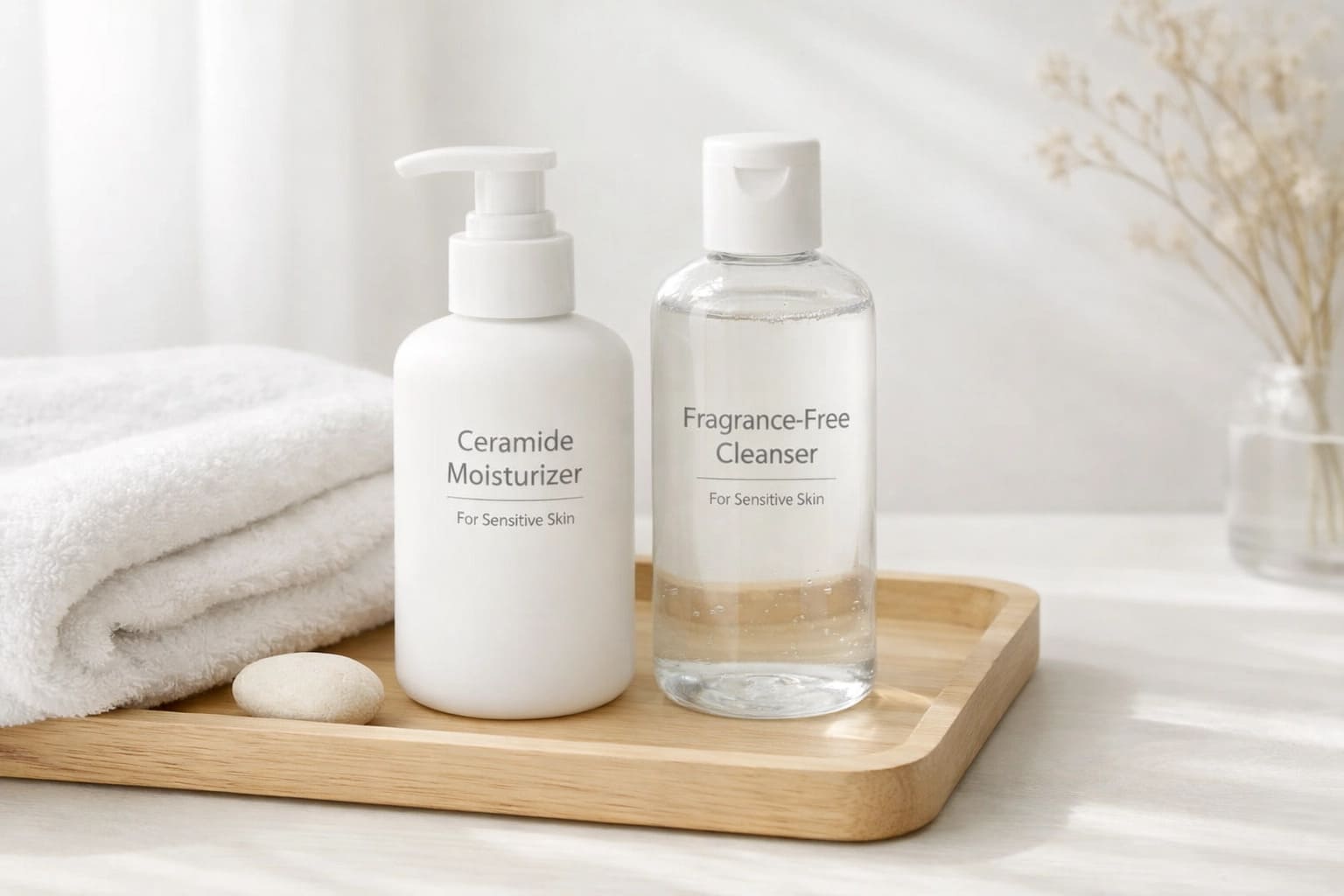
- Fragrance-Free Formulations: Fragrances — both synthetic and natural — are among the leading causes of allergic and irritant contact dermatitis. All products should be fragrance-free and dermatologist-tested.
- Ceramide-Rich Moisturizers: Ceramides are lipid molecules that constitute approximately 50% of the stratum corneum. Products containing ceramides (1, 3, 6-II) effectively restore barrier integrity.
- Gentle, Low-pH Cleansers: Traditional bar soaps have an alkaline pH (9–10) that disrupts the acid mantle. Select cream or gel cleansers with a pH of 4.5–5.5.
- Short, Lukewarm Showers: Hot water removes protective skin lipids. Limit showers to 5–10 minutes and apply moisturizer immediately post-bathing to occlude moisture.
- Patch Testing: Before introducing any new active ingredient, apply a small amount to the inner forearm for 48–72 hours to identify potential adverse reactions.
7. Key Ingredients Dermatologists Trust
Understanding the clinical evidence behind skincare ingredients empowers patients to make informed choices and resist marketing-driven claims. The following ingredients have robust clinical validation:
- Retinoids — Collagen stimulation, cellular turnover, acne treatment
- Niacinamide (Vitamin B3) — Sebum regulation, barrier repair, brightening
- Hyaluronic Acid — Deep hydration, plumping, barrier support
- Ceramides — Barrier restoration, moisture retention
- Vitamin C (L-Ascorbic Acid) — Antioxidant protection, brightening, collagen synthesis
- AHAs (Glycolic, Lactic Acid) — Surface exfoliation, texture refinement, pigmentation
- BHAs (Salicylic Acid) — Pore-clearing, anti-inflammatory, anti-acne
- SPF (Zinc Oxide, Titanium Dioxide, Chemical Filters) — UV protection, anti-aging
- Peptides — Collagen stimulation, firmness
- Azelaic Acid — Acne, rosacea, pigmentation
8. Lifestyle Factors That Affect Skin Health
Dermatologists recognize that topical skincare alone cannot compensate for systemic deficiencies. Clinical evidence consistently demonstrates the influence of the following lifestyle factors on skin health:
- Nutrition: A diet rich in antioxidants, omega-3 fatty acids, and low in refined sugars reduces systemic inflammation and supports the skin microbiome. High-glycemic diets have been linked to increased acne severity.
- Hydration: Adequate water intake (minimum 2 litres/day) supports systemic cellular function, though direct topical hydration through moisturizers is more clinically effective for skin barrier health.
- Sleep: During deep sleep, growth hormone secretion peaks and accelerates cellular repair and collagen synthesis. Chronic sleep deprivation elevates cortisol, increasing sebum production and inflammation.
- Stress Management: Elevated cortisol levels dysregulate sebaceous glands and impair the skin barrier. Evidence-based stress reduction practices — including mindfulness and regular exercise — demonstrably benefit skin health.
- Smoking Cessation: Tobacco smoke induces oxidative stress, reduces dermal collagen and elastin, and impairs microvascular perfusion, accelerating premature aging significantly.
Test your knowledge with our dermatology quiz.
Frequently Asked Questions (FAQ)
Q1: What is the most important step in a dermatologist-recommended skincare routine?
Daily application of a broad-spectrum SPF 30 or higher is consistently identified by dermatologists as the single most impactful step. It prevents photoaging, reduces skin cancer risk, and protects the results of all other skincare treatments.
Q2: At what age should I start using anti-aging skincare products?
Dermatologists recommend beginning preventative anti-aging measures in your mid-to-late twenties. Daily sunscreen use and antioxidant serums are appropriate from early adulthood. Prescription-strength retinoids are typically introduced in the late twenties to thirties, depending on individual skin condition and tolerance.
Q3: Can I use multiple active ingredients at the same time?
Combining certain actives can cause irritation, reduce efficacy, or compromise the skin barrier. Known incompatibilities include retinoids with AHAs/BHAs (use on alternating evenings), and Vitamin C with niacinamide at very high concentrations. Consult a board-certified dermatologist before layering multiple actives.
Q4: How long does it take to see results from a new skincare routine?
Skin cell turnover takes approximately 28–40 days in adults, slowing with age. Most dermatologists recommend maintaining a consistent routine for a minimum of 8–12 weeks before evaluating its efficacy. Retinoids may require 3–6 months for visible collagen-remodeling results.
Q5: Should I see a dermatologist even if my skin concerns seem minor?
Yes. A professional consultation ensures accurate diagnosis, prevents mismanagement of conditions that may appear mild (such as early rosacea or pre-cancerous lesions), and allows for a personalized treatment protocol. Many over-the-counter products marketed for common concerns may be contraindicated for specific skin conditions.
Conclusion
Healthy, clear skin is not achieved through expensive products or viral trends — it is built through clinical knowledge, consistent habits, and targeted treatments suited to your unique skin profile. This dermatologist recommended skincare guide has outlined evidence-based approaches for managing acne, aging, hyperpigmentation, and sensitive skin in adults of all ages.
The foundation of any effective routine remains unchanged: a gentle cleanser, a well-formulated moisturizer, daily broad-spectrum SPF, and targeted actives introduced gradually and strategically. When in doubt, consult a board-certified dermatologist to receive a personalized assessment and treatment plan. Investing in your skin health today yields measurable, lasting results for years to come.
About the Author
Dr. Sarah Mitchell
Dr. Sarah Mitchell is a board-certified dermatologist with over 12 years of clinical experience in medical and cosmetic dermatology. She specializes in the treatment of acne, photoaging, pigmentation disorders, and inflammatory skin conditions. Dr. Mitchell is a Fellow of the American Academy of Dermatology (FAAD) and has contributed to peer-reviewed publications on evidence-based skincare and dermatological therapeutics.