The Human Reproductive System:
The human reproductive system has two unique features that set it apart from other body systems:
The reproductive system becomes active only during puberty, unlike most body systems that start functioning at birth.
While the majority of body systems are nearly identical in males and females, the reproductive system has significant differences between the two sexes.
This section focuses on the female reproductive system, exploring its parts and their roles in detail.
Female Reproductive System
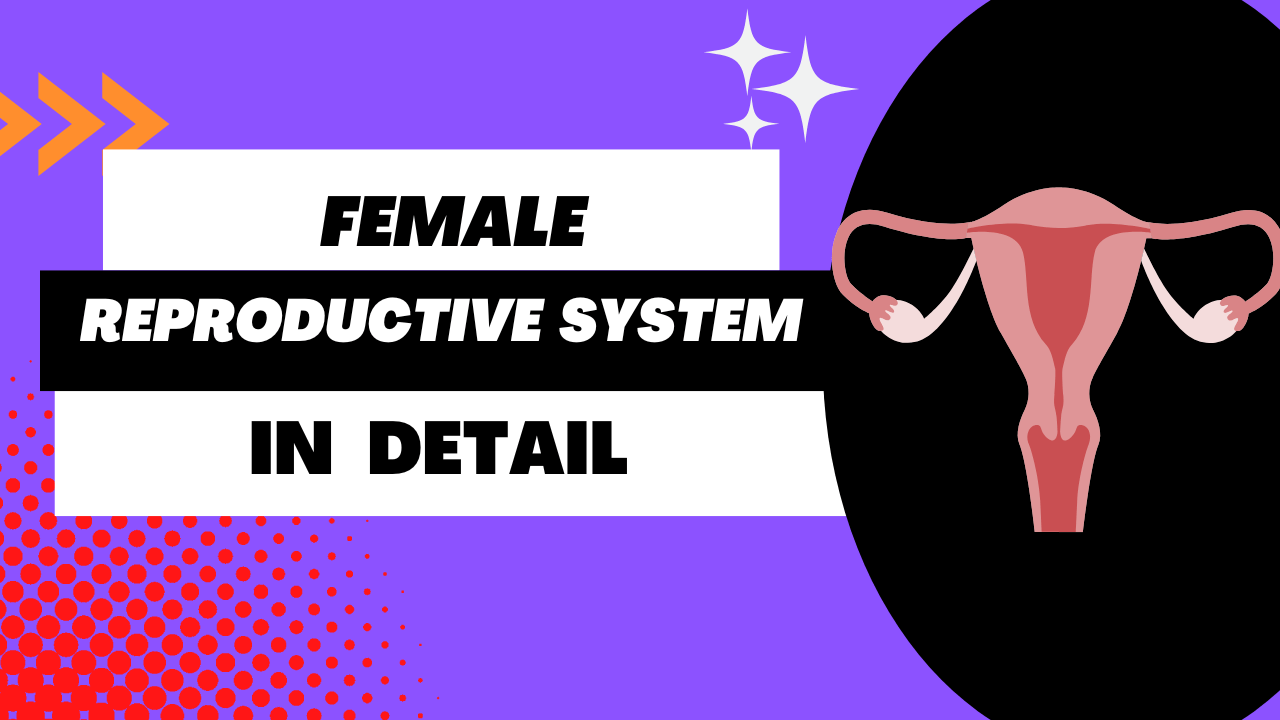
The female reproductive system is made up of organs and structures that work together to enable reproduction. Its primary components include:
Ovaries: These are two small, almond-shaped organs located on each side of the uterus. They produce eggs and release hormones like estrogen and progesterone, which regulate the menstrual cycle and support pregnancy.
Fallopian Tubes: These slender, tube-like pathways connect the ovaries to the uterus, facilitating the movement of eggs.
Uterus: Often called the womb, the uterus is a hollow organ with a pear-like shape, located in the pelvis.
Vagina: The vagina is a flexible, muscular passage that links the uterus to the external part of the body.
Cervix: This is the lower part of the uterus that links it to the vagina. It also serves as the site where cervical cancer can develop.
Vulva: The vulva refers to the external female reproductive structures, including the labia majora, labia minora, clitoris, and vaginal opening.
Bartholin’s Glands: These are two small glands near the vaginal opening that secrete fluid to provide lubrication during intercourse.
Ovaries: Functions, Disorders, and Health
The ovaries are two small, almond-shaped organs located on either side of the uterus, serving as vital components of the female reproductive system. They play key roles in egg production, hormone regulation, and overall reproductive health.
Functions of the Ovaries
Egg Production:
Ovaries produce eggs, or ova, which are released during ovulation into the fallopian tubes.
Each menstrual cycle typically involves the release of one egg, which travels to the uterus.
Hormone Production:
The ovaries produce estrogen and progesterone, essential hormones for regulating the menstrual cycle and preparing the body for pregnancy.
They also generate small amounts of androgens like testosterone, which contribute to maintaining bone density and sexual health.
Endocrine Role:
As part of the endocrine system, ovaries are responsible for producing and regulating hormones that influence various body functions.
The Menstrual Cycle and Fertility
During each menstrual cycle:
An egg is released from one ovary (ovulation).
If fertilized by sperm, the egg implants in the uterus and develops into a fetus.
If not fertilized, the egg is shed along with the uterine lining, resulting in menstruation.
As women age, ovarian reserve (the total number of eggs) decreases. Approaching menopause, the ovaries stop producing eggs, leading to the cessation of the menstrual cycle.
Common Ovarian Disorders
Polycystic Ovary Syndrome (PCOS):
A hormonal imbalance affecting ovulation and menstrual cycles.
Symptoms include irregular periods, excess hair growth, and infertility.
Primary Ovarian Insufficiency (POI):
A condition in which the ovaries cease to function properly before the age of 40.
Leads to irregular periods, hot flashes, and challenges with conception.
Ovarian Cysts:
Fluid-filled sacs that develop on the ovaries.
While most are benign, some can cause pain or other complications.
Ovarian Cancer:
A malignant tumor in the ovaries.
Early detection is challenging as symptoms are often vague.
Risk factors include age, family history, and genetic mutations.
Signs of Ovarian Issues
Symptoms of ovarian problems may include:
Pelvic pain or discomfort.
Irregular menstrual cycles.
Abnormal vaginal bleeding.
Bloating or changes in appetite (in cases of ovarian cancer).
Maintaining Ovarian Health
Lifestyle Choices:
Keep a healthy weight, engage in regular physical activity, and steer clear of tobacco and excessive alcohol consumption.
Regular Check-ups:
Routine pelvic exams and screenings, such as transvaginal ultrasounds, can help detect issues early.
Awareness:
Understanding symptoms and seeking medical advice promptly can improve outcomes.